Pressure Systems edition
European Waste Exports and Ontario Recycling Cuts Squeeze Indigenous Lands
July 8, 2026
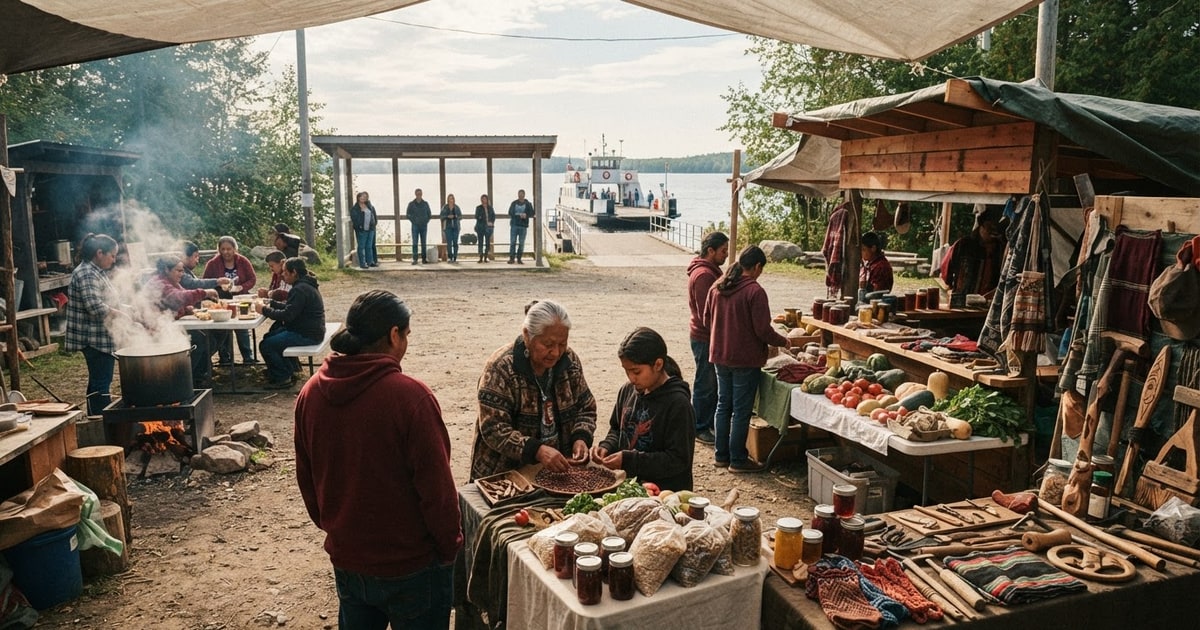
What this edition shows
European corporations and the Ontario government are offloading the material costs of consumption onto Morocco and Constance Lake First Nation, converting waste management into a tool of geographic exclusion. While retail giants in the US withhold surplus food from the hungry, Indigenous stewards and local artists are asserting repair and cultural land-use as the only viable infrastructure for climate resilience. These tensions reveal a global struggle where institutional abandonment of the commons is met by grassroots attempts to reclaim metabolic agency.
Reporting and analysis behind this edition 5 sources
-
How Europe ships its waste to Morocco and calls it ‘recycling’
European companies ship hundreds of thousands of tonnes of waste to Morocco each year, erasing the pollution from their books while families in Casablanca choke on the smoke.
-
Why only 13% of surplus food gets donated by US supermarkets and other retailers to help hungry people – and how food pantries are trying to gather more
Food banks tend to be large and have lots of special equipment that increases their efficiency. Li Rui/Xinhua via Getty Images Low-income Americans need more help getting enough to eat, but not much of the food retailers that sell groceries could potentially donate is given away. Only 13% of it ends…
-
Students fight to recycle in a northern Ontario First Nation
When the Doug Ford government introduced its new Blue Box Program, Constance Lake First Nation lost its recycling service. Two teens are hoping to change that
-
‘Adaptive reuse’: how contemporary artists reuse and recycle objects to be born again
The buildings we call home, the things we use every day, and the technologies we depend on would quickly become useless without constant repair and maintenance. Recycling and reuse can also be an essential stimulus for invention and innovation. They force us to look at things differently and experim…
-
Indigenous cultural practices are a climate solution, report finds
Indigenous lands are recognized as crucial for climate mitigation and resilience. New research shows their health is a direct result of the people who inhabit and steward them.