Pressure Systems edition
Biometric Age Gates and Curfews Enclose the Youth Internet
July 15, 2026
What this edition shows
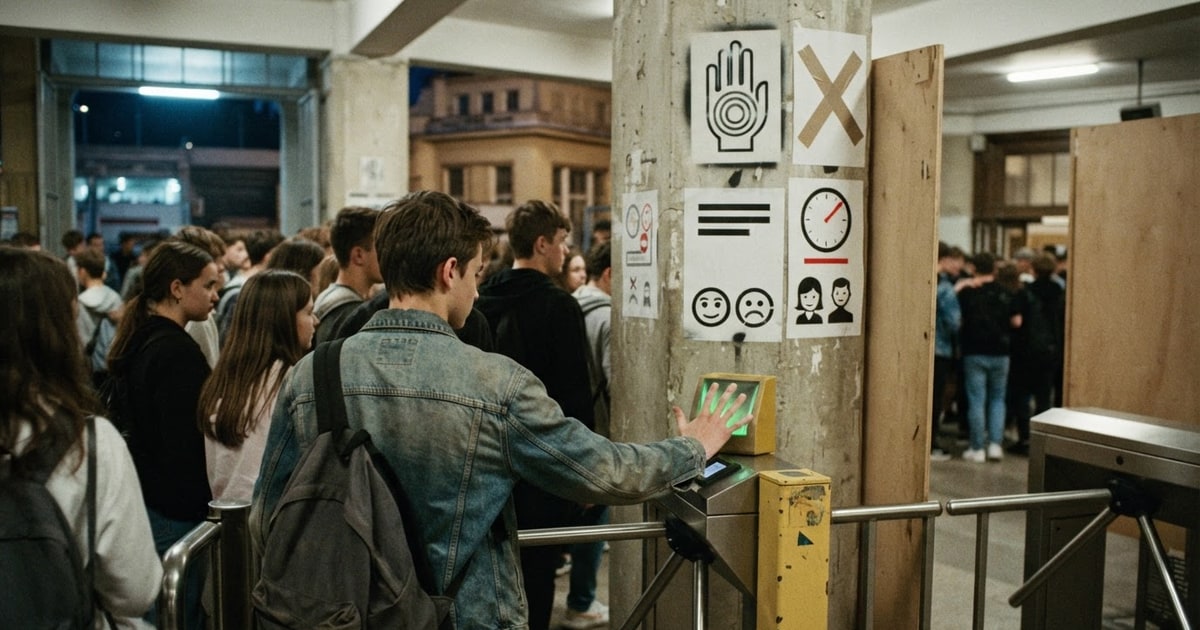
Governments in the UK, Canada, and New Zealand are fast-tracking social media bans and mandatory age-verification protocols, effectively converting open network access into a tiered system of biometric checkpoints. While framed as a response to platform addiction, these legislative pushes prioritize invasive identity surveillance over structural platform reform, threatening the digital anonymity of whistleblowers and marginalized youth. The resurgence of peer-to-peer legacies like BitTorrent highlights a growing friction between decentralized technical agency and the state's drive to hardwire moral panics into the network layer.
Reporting and analysis behind this edition 8 sources
-
NZ’s floated social media ban for under-16s could unite two groups that rarely agree
Anna Barclay/Getty Images National’s push for a social media ban for under-16s has produced a surprising possibility in New Zealand politics. After struggling to secure support from parts of its own coalition, National has increasingly looked to Labour to help advance the policy. The politics are un…
-
Let’s build a children’s public internet
An increasing number of people seem to agree the internet is terrible for children - allegedly addictive, destructive to self-esteem, possibly a portal to predators. Over the past year, several countries have started requiring stringent age verification or outright bans for minors. At the end of Jun…
-
The UK Is Planning a Social Media Curfew for 16- and 17-Year-Olds
The restrictions, which can be turned off, will include a crackdown on “addictive” app features and will be in addition to a total ban on children under 16 accessing platforms like TikTok and YouTube.
-
Carney's social media ban for kids still misses the mark
One of the benefits of Canada being a late-mover in the platform regulation space, compared to our peers like the UK, EU, and Australia, is that we know from other jurisdictions what works and what doesn’t. But for some reason, the Carney government seems to be discounting the lessons learned from A…
-
Social media limits are coming for teens across Europe
The European Union is weighing sweeping new restrictions on children's and teenagers' access to social media, including age limits, an outright ban, and phased access. Social media platforms could also be forced to prove their services are not harmful before young people are allowed to use them. Eur…
-
The UK’s New Under-16 Social Media Ban Will Cause More Harm Than It Prevents
Recently, politicians in the UK pushed forward with plans to eviscerate privacy and free speech on the internet by announcing a ban on social media for users under 16 that is set to take effect in Spring 2027. The UK government continues to falsely characterize this policy as a necessary response to…
-
Adults Broke The Internet, And They’re Trying To Fix It By Kicking Kids Off
It’s no secret that I’m a fan of developmental psychologist Candice Odgers. I’ve mentioned her and her work on the site many times, and she was a guest on my podcast as well. She actually has expertise and has done the work to look at the impact of social media on kids. In many ways […]
-
BitTorrent’s disastrous, legendary, and controversial story
Twenty-five years ago today, a young, little-known programmer by the name of Bram Cohen fired off a short message to a mailing list for peer-to-peer enthusiasts. "My new app, BitTorrent, is now in working order, check it out here," Cohen wrote, followed by a link to his personal website. "What's Bit…