Pressure Systems edition
Brain Implants and Psychedelics Breach the Final Biological Frontier
June 25, 2026
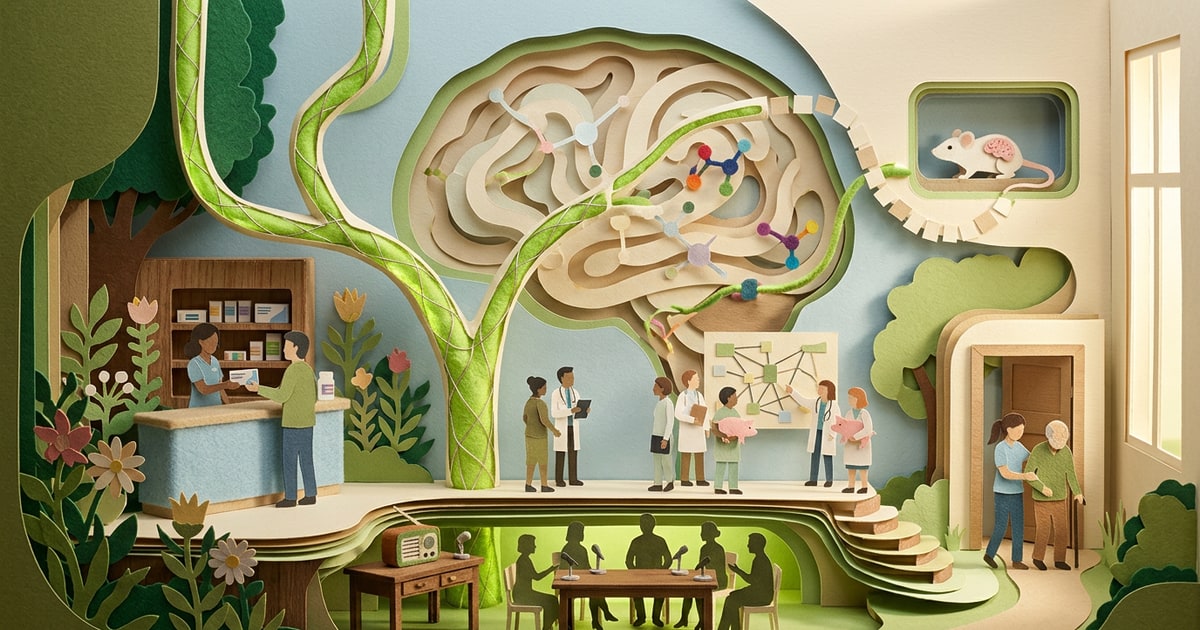
What this edition shows
Medical interventions ranging from cancer-detecting brain-computer interfaces to psilocybin therapy for Alzheimer’s are transforming the human central nervous system into a site of active engineering and data extraction. As neurosurgery experiments on pigs and microbiome transplants in mice blur the lines between biological aging and technical plasticity, the intimate architecture of thought and memory is being integrated into the broader infrastructure of algorithmic management and corporate care. This shift marks a transition from treating the mind as a private sanctuary to managing it as a hackable, predictive asset within a new economy of cognitive optimization.
Reporting and analysis behind this edition 8 sources
-
Our brains have their first thoughts unexpectedly early in life
By the time we’re born, our brains have all the hardware in place to form thoughts, and possibly even some conscious awareness
-
Faecal transplant makes the brains of old mice act young again
Older mice that received a faecal microbiome transplant from younger animals went on to have improved brain plasticity, which meant their brains could overcome a neurological condition that is typically successfully treated only in childhood
-
Our brains predict the world – but learn most when they get it wrong
Jannes Glas / Unsplash Few moments in a soccer game are more electrifying than the penalty kick. The goalkeeper stands, waiting for the kick – and even before the ball is struck they must predict where it is going and spring into action. Their prediction will be built on years of reading run-ups, bo…
-
Woman with Alzheimer's starts conversing again after taking psilocybin
A woman with severe Alzheimer's disease who hadn't spoken more than monosyllables in years began initiating conversation after a single dose of psilocybin
-
Could psychedelic therapy have a place in end-of-life care? We asked doctors
Halfpoint Images/Getty Images The therapeutic use of psychedelic drugs has attracted no shortage of media and scientific interest over recent years – and this is only likely to grow. A growing number of studies suggest psychedelics such as MDMA, better known as ecstasy, and psilocybin, the active in…
-
Technology is changing our perspective on nature – at every scale
Inspired by Ariel Waldman’s docuseries Life Unearthed, columnist Annalee Newitz explores how microscopes, drones and specialised cameras are giving us an unprecedented view of nature from many different vantage points
-
‘Fusogenic’ neurosurgery let paralysed pigs walk again – are we next?
Researchers say a surgery that let pigs with completely severed spinal cords walk again may lead to human trials, and then perhaps even full head or brain transplants. Columnist Helen Thomson is intrigued but sceptical of whether the technique can be successful in humans
-
3 People Have Gotten Cancer-Detecting Implants in Their Brains
Coherence Neuro has started testing a brain-computer interface that could one day use electrical stimulation to prevent tumors from growing.