Pressure Systems edition
Spoiled Insulin, Hormuz Chokepoints, and Climate Shocks
June 1, 2026
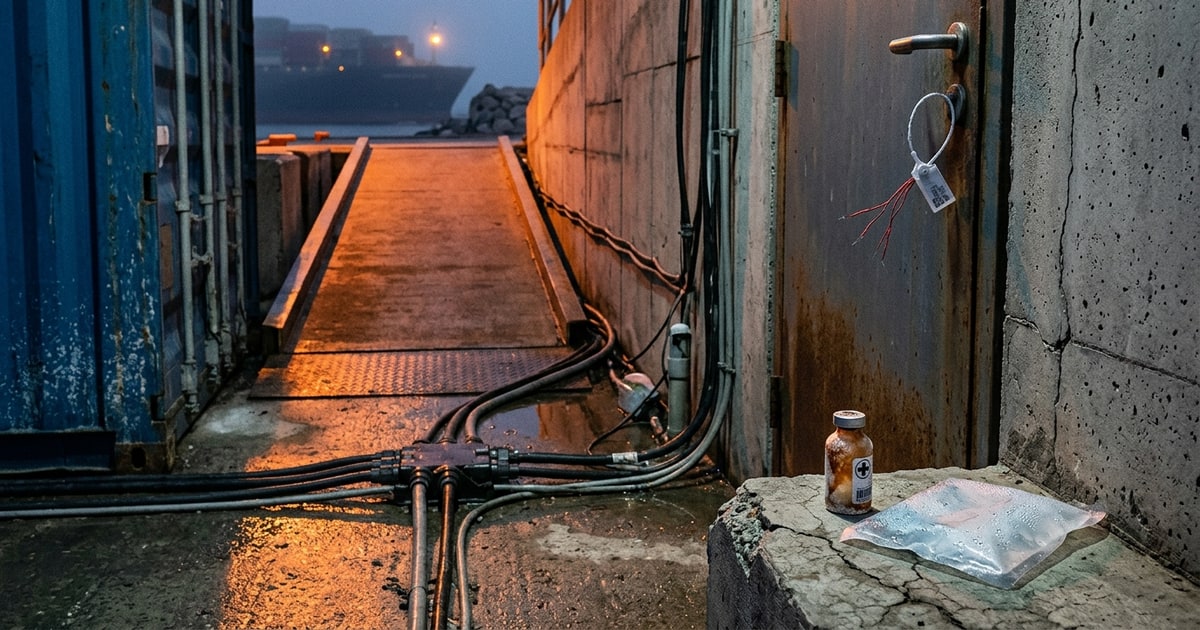
What this edition shows
Kinetic conflicts in Sudan and the Persian Gulf are fracturing global supply chains, converting essential care infrastructure and energy into contested commodities where conditional access and smuggling become the new norms for survival. Simultaneously, climate volatility from El Niño and Syria's bid to establish alternative transit hubs reveal how material chokepoints and ecological shocks are accelerating the shift from centralized logistics to fragmented, adaptive networks that bypass eroding state and market stability.
Reporting and analysis behind this edition 6 sources
-
‘Spoiled insulin’: Sudan war disrupts drug supplies, fuelling smuggling
As the conflict destroys local production, Sudanese patients are forced to rely on expensive, smuggled medicines.
-
The strait may reopen, but global confidence may not return
The next phase of the Strait of Hormuz crisis may be defined less by its closure than by conditional access.
-
The Energy Crisis Will Long Outlast the Iran War
The baked-in damage to oil and gas production will take months to undo.
-
No Commodity Is Safe From the Iran War
From Diet Coke to condoms, the world’s supply chains have faced surprising downstream disruptions.
-
Syria Wants to Replace the Strait of Hormuz
The country hopes to fund its reconstruction by serving as the Middle East’s new transit and logistics hub.
-
How could El Nino reshape tropical storms around the world this year?
El Nino tends to reduce hurricanes in the Atlantic while increasing storms in the Pacific Ocean.