Pressure Systems edition
European Heatwaves and Nuclear Shutdowns Strain Energy Grids
August 15, 2026
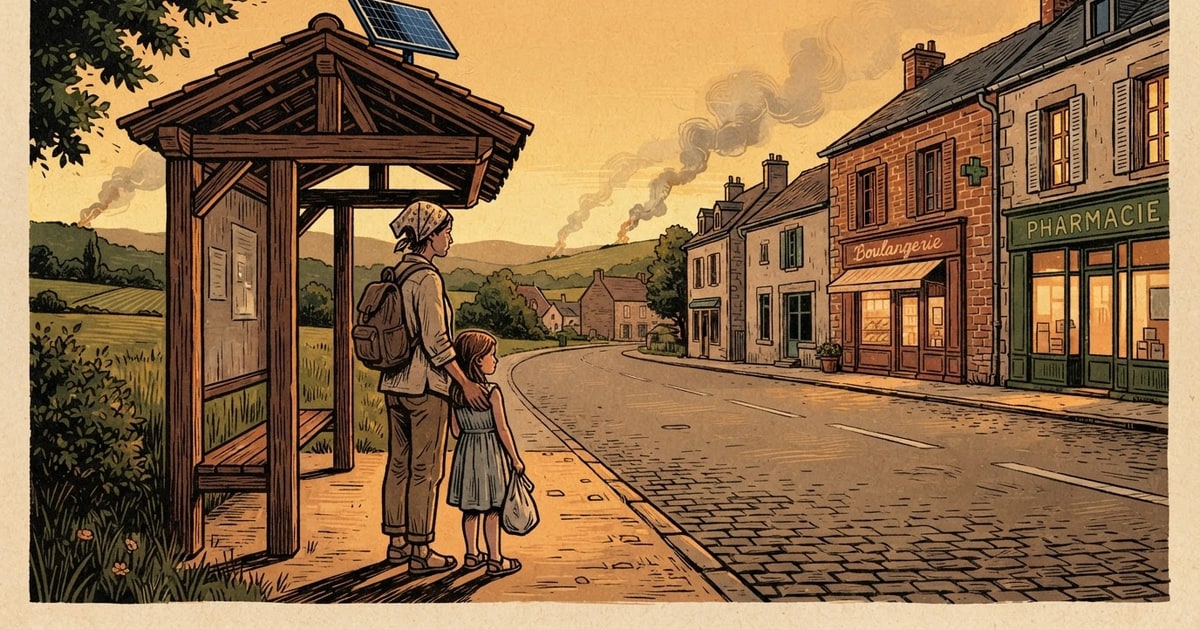
What this edition shows
Record-shattering heatwaves and severe droughts across Europe are forcing emergency shutdowns of nuclear plants along the Danube while uncontrolled wildfires ravage millions of hectares from France to Spain. These compounding environmental shocks expose the fragility of aging continental energy infrastructure and accelerate the arrival of structural climateflation.
Reporting and analysis behind this edition 11 sources
-
Drought and heat push Europe’s power grid to breaking point
High temperatures and low water levels have forced several countries to shut down nuclear reactors just as citizens turn up their air conditioning, forcing energy prices to spike and raising the threat of blackouts
-
Wildfires rage across Europe as heatwaves drive record temperatures
Wildfires fuelled by record heat are ravaging Europe, burning around 500,000 hectares and forcing thousands to flee.
-
Falling Danube flow forces shutdown of Romania’s sole nuclear plant
Romania had tried to avert a total shutdown of the plant, which usually generates a fifth of the country's electricity.
-
As the climate breaks down, costs go up: Welcome to ‘climateflation’
If you ask an economist why everything is so expensive these days, you will likely get an answer explaining how oil — the lifeblood of the global economy — is currently facing supply bottlenecks in the Strait of Hormuz, thereby bringing up global energy prices. That explanation is part of the answer…
-
Massive wildfires test the limits of international cooperation
Countries increasingly need each other’s assistance to fight fires. But as global warming amps up fire weather across continents, help is getting harder to find.
-
Why Europe is warming twice as fast as the global average
The wildfires that have swept through France and Spain are the largest blazes either country has faced in modern history.
-
‘These are human fires, not wildfires’: Dunwich reflects on the devastation
As residents, nature wardens and experts consider the damage to the heathland and how to restore it, the climate crisis is foremost in their minds A local community pulling together, emergency services saving homes and caravan parks from catastrophe, and farmers and nature reserve wardens working to…
-
As Europe burns, a climate cover-up continues
The UK’s Labour government seems afraid to talk about the climate emergency.
-
Marine heatwaves are cooking our ocean ecosystems – and will only become more common
Canva, Pixabay, The Conversation, CC BY-NC-SA You may have heard reports of fish die-offs or seen photos of hauntingly bleached coral. Those are just two signs a marine heatwave has swept through the sea. Marine heatwaves happen when the ocean remains abnormally hot for an extended period. While the…
-
There’s nothing ‘wild’ about most wildfires – humans start them and have made them more dangerous
A wildfire needs a name long before anyone knows what caused it. When the pines of the Gironde in southwestern France caught light in July, the fire was being reported within hours under the name of the ground it was burning. By the time it had taken 40,000 hectares, that name was fixed in every bul…
-
Fate of the AMOC may depend on how quickly CO2 rises
The critical current could remain stable beyond 5°C of warming, but only if the warming happens very slowly