Pressure Systems edition
Mangroves, Classrooms, and Urban Parks Confront Extreme Heat
July 29, 2026
What this edition shows
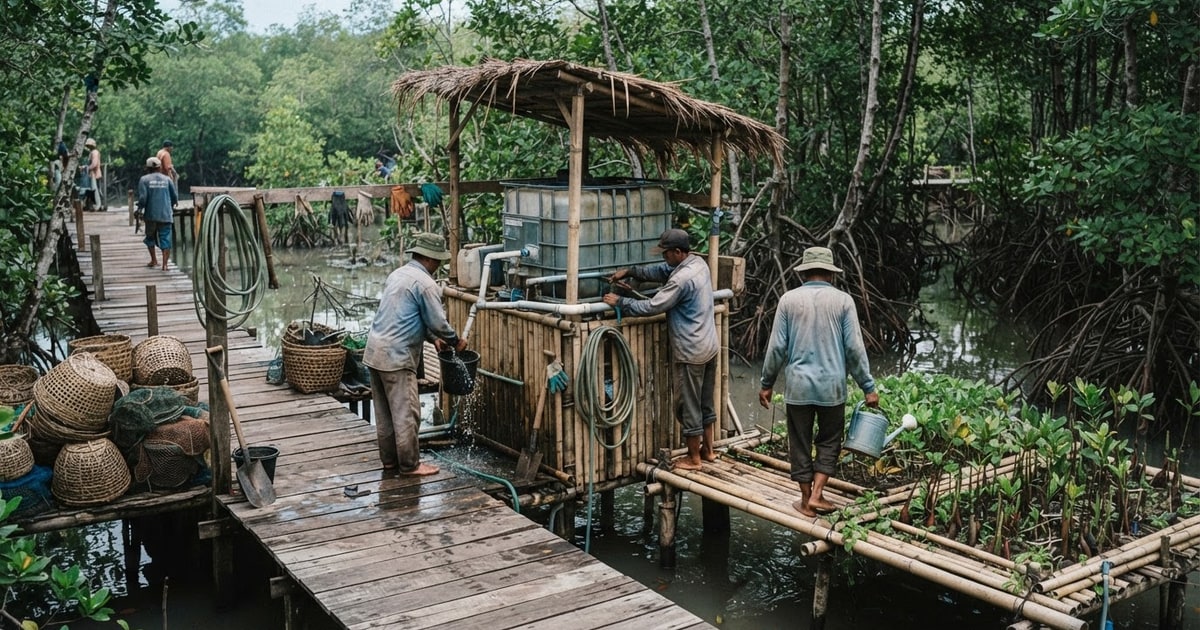
From Indonesian mangrove wetlands and Detroit youth leadership programs to heat-stressed classrooms in Phoenix and British Columbia, communities are mobilizing local ecological knowledge and outdoor education to adapt to climate extremes. These grassroots initiatives reveal how institutional infrastructure is failing to protect vulnerable populations, forcing municipal organizers, teachers, and land stewards to forge alternative survival strategies outside top-down state planning.
Reporting and analysis behind this edition 8 sources
-
The missing link in the blue carbon agenda: The workforce
Over the last decade, blue carbon ecosystems, such as mangroves and seagrasses, have taken centre stage in global discussions on tackling climate change, and Indonesia — home to 17 per cent of the world’s mangroves and seagrasses — has become a key actor in this agenda. Yet, while global attention o…
-
More than a gut feeling
Long overlooked, the connection between our gut microbes and brain is yielding new insights into mental health
-
The youth-led movement to secure an outdoor future for schools
George Elliot Secondary is one of only six schools across Canada offering Advanced Placement Nature Education, a pilot program, which teacher Marnie Birkeland rebrands as “AP Passion to Action,” because she feels it more closely reflects what actually goes on here: helping students try to figure out…
-
What science can tell us about nature’s impact on kids’ brains
Kelsey McWhinnie was teaching at a local BC high school and the concept of taking students out of the classroom and into nature spoke to her. “The learning impacts and achievement of those kids went up significantly,” she says. That insight led to deeper research and the decision to try it out with…
-
Detroit wants to elevate youth voices in leadership – that means giving them real power
Detroit is encouraging its young residents to participate in safe, social activities after large crowds of youth congregating downtown have led to curfew violations and multiple arrests. Photo by CHARLY TRIBALLEAU/AFP via Getty Images Detroit police officers detained more than 180 minors during a fi…
-
Lessons from South Africa on how parks and community gardens can help cities adapt to climate change
Climate change is affecting cities more and more. This creates major challenges, but it also gives fast-growing cities, especially in sub-Saharan Africa, the chance to adapt to global warming in new and better ways. Cities rely on roads, pipes and flood barriers to work well when a climate disaster…
-
What do the heatwaves in Europe and North America tell us about our future? | Fiona Katauskas
The signs are there See more of Fiona Katauskas’s cartoons here Continue reading...
-
It’s getting hotter in classrooms and on playgrounds – schools aren’t ready to handle extreme temperatures
Retrofitting old classrooms with air conditioners, even when necessary to maintain a cool classroom, isn't always financially possible. RJ Sangosti/The Denver Post As temperatures in Phoenix soared to 117 degrees Fahrenheit, or 47 degrees Celsius, in July 2026, children living there headed outside t…