Pressure Systems edition
Public Grocers and African Silos Challenge Industrial Food Monopolies
July 21, 2026
What this edition shows
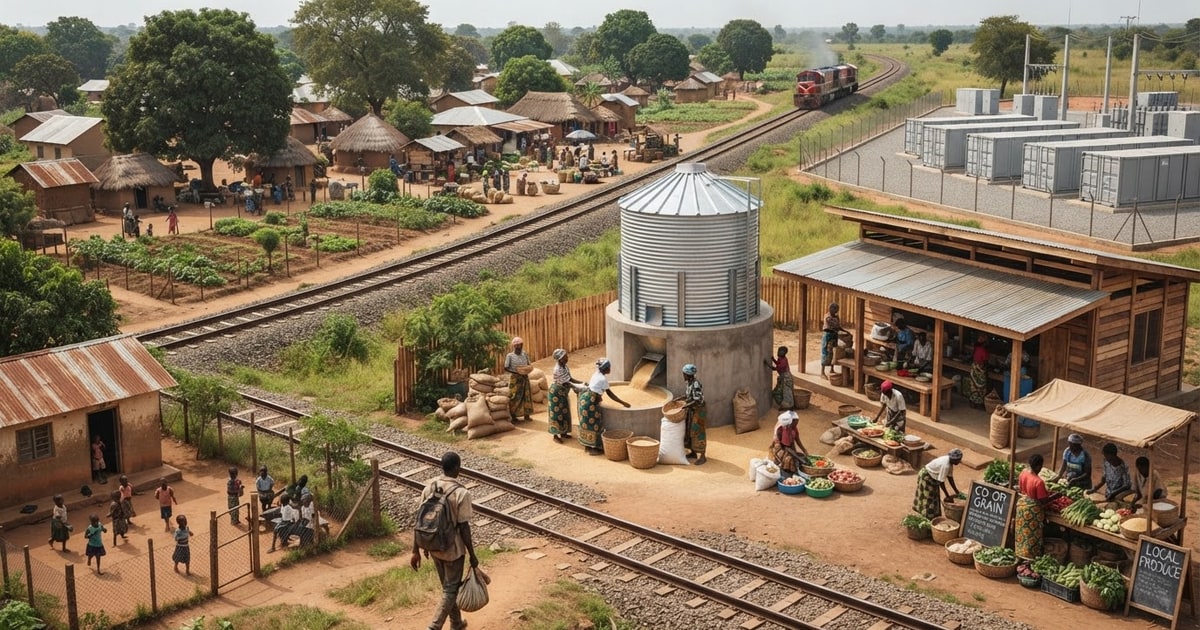
From Vancouver’s Indigenous market stalls to state-backed public grocer initiatives, communities are asserting food sovereignty against a global cost squeeze that has seen Canadian farm machinery prices surge 35-fold. While Chinese financing in Africa prioritizes export-led infrastructure over local storage, the emergence of agroecological networks and school-based food literacy represents a strategic attempt to decouple nutritional security from volatile global commodity markets and opaque corporate supply chains.
Reporting and analysis behind this edition 8 sources
-
UN Hunger Report 2026: Global hunger remains stubbornly high as another food price crisis looms
1 in 3 people cannot afford a healthy diet. IPES-Food responds to the UN Hunger Report 2026. Geopolitics and climate could trigger another global food price crisis. The post UN Hunger Report 2026: Global hunger remains stubbornly high as another food price crisis looms appeared first on IPES-Food.
-
My Maddening Quest to Find Out if Blueberries Come From Farms Where Workers Were Harmed
The post My Maddening Quest to Find Out if Blueberries Come From Farms Where Workers Were Harmed appeared first on ProPublica.
-
Canada: The Next Agricultural Policy Framework Must Centre Food Sovereignty, says NFU
The NFU believes that the NPF must prioritize five policy pillars: generational renewal; growing local markets and regional trade; food security through food sovereignty; long-term public agriculture research; and climate resilience. The post Canada: The Next Agricultural Policy Framework Must Centr…
-
Canadian farms must keep growing to survive — and farmers and the environment are paying for it
Farmers are facing a cost squeeze as seeds, fertilizers, machinery and land become more expensive. In Canada, the value of machinery per farm rose from $213 in 1901 (roughly $8,000 in today’s dollars) to more than $278,000 in 2016 — a 35-fold increase even after inflation. To stay competitive and to…
-
China is funding African farmers but not food processing and storage: why it’s a problem
China has become one of Africa’s largest development financiers. Since 2000, Chinese and other state-backed institutions have committed more than US$180 billion in loans to African countries. The money has been used to finance roads, railways, power stations, ports, water infrastructure and industri…
-
Making Space and Showing Up at Vancouver Farmers Markets
Extending intentional welcome and making space for Indigenous vendors and neighbours puts reconciliation into practice.
-
A Bagful of Reasons to Create Public Grocers
Shoppers would save, local food would flourish and more, say advocates.
-
Why food skills belong in the school curriculum – not left to chance at home
Norenko Andrey/Shutterstock One in ten children aged seven to nine years is living with obesity in Europe. In England, childhood obesity rises from around 10% of children in reception to around 22% by year six. While we know there are many complex and inter-connected biological, social and environme…