164: The Algorithmic Gaze: How Autistic People Are Being Profiled by Algorithms
Toward Neurodivergent Power
Big thanks to Alan E for upgrading to a paid subscription! While this publication will remain free in so far we are able to do the same, monetary contributions help us to fund the agroecological resistance! 👊🏼😍🐐
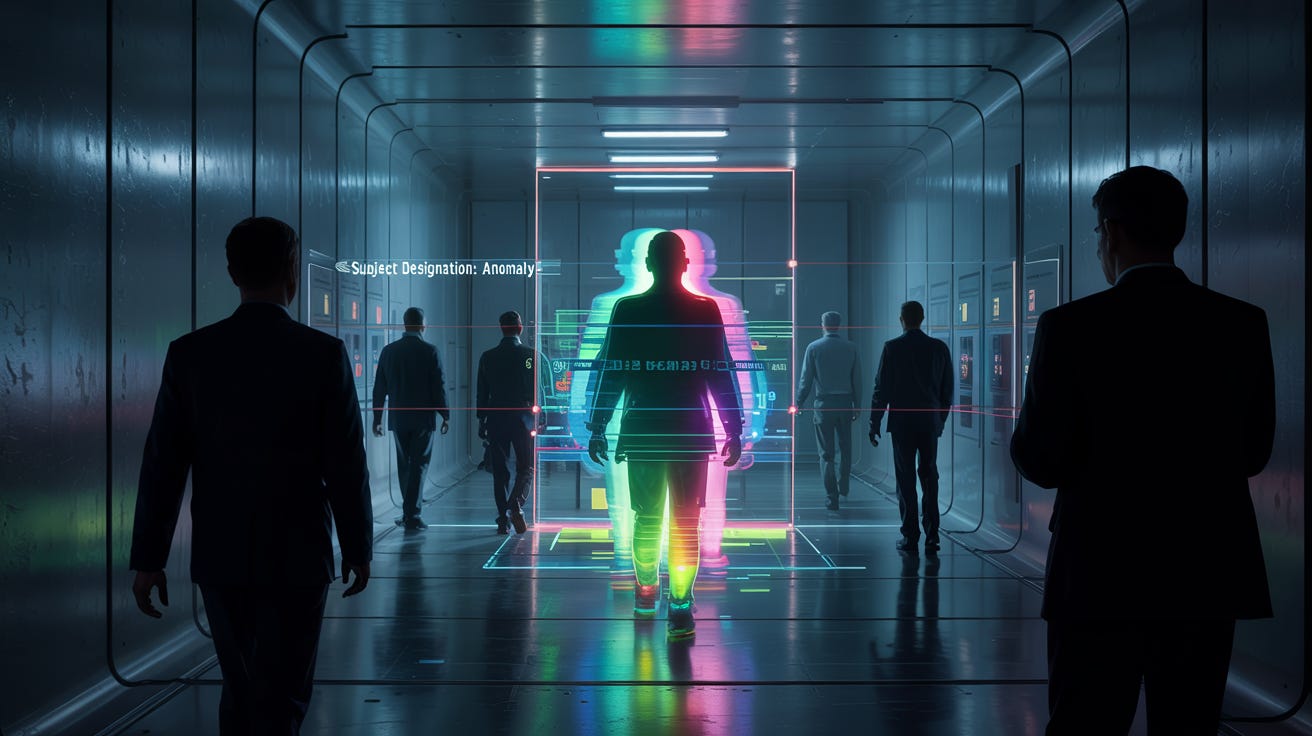
Autism is being identified — not by doctors, but by data infrastructure. In a regime built on surveillance and control, neurodivergence is increasingly framed as risk. Not because it is dangerous, but because it is different.
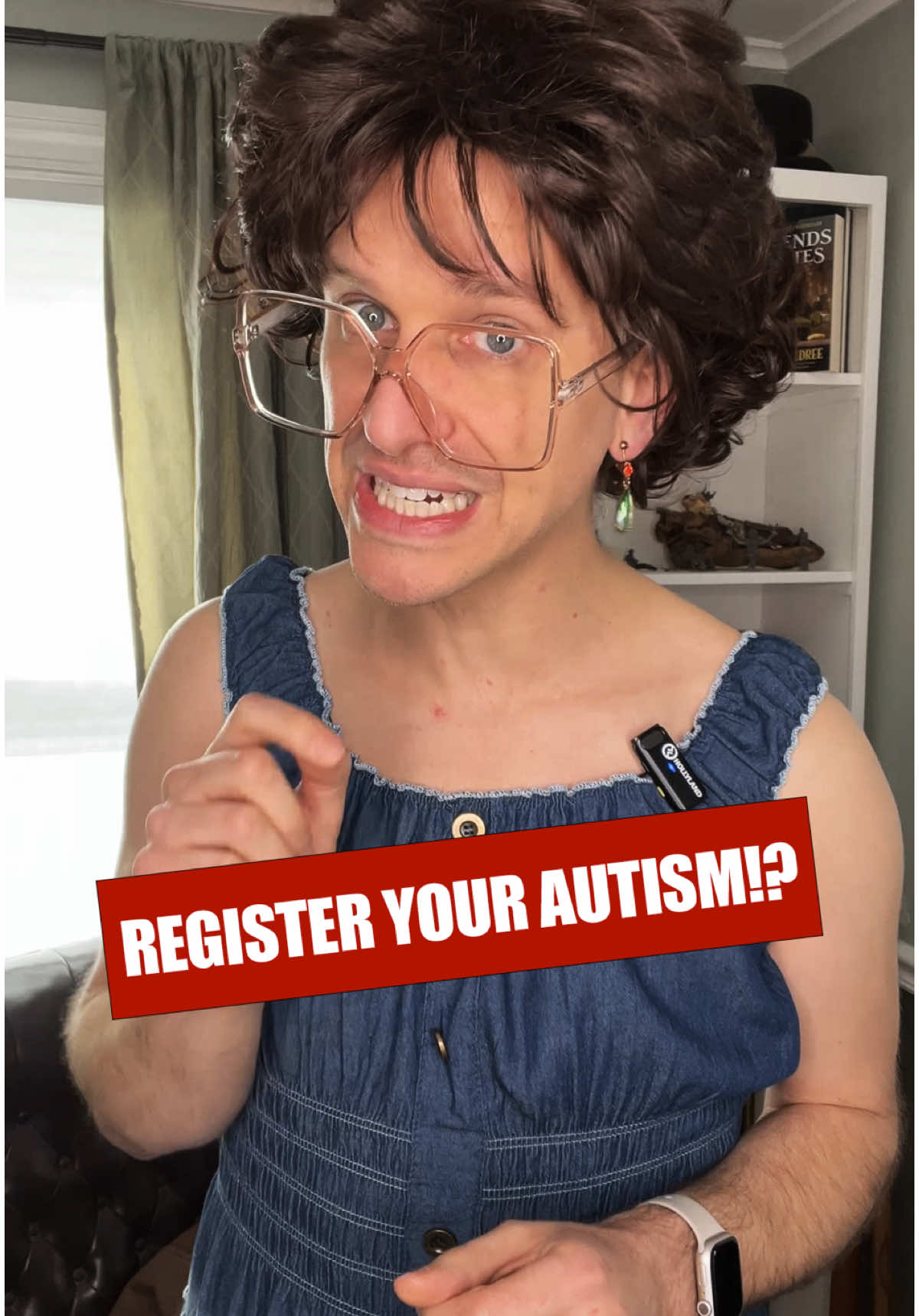
@jeremyandrewdavis on TikTok Would you get registered? History has a way of circling back, dressed in new labels but carrying the same old intentions. Decades ago, systems were quietly put in place to identify, track, and separate those deemed… shall we say "different." The first steps were always framed as help, as protection—publicly, it was about “health,” "research," and "safety." But behind closed doors, the truth was far darker. Eighty-plus years ago, the same playbook began with registries, with lists. The most vulnerable were the first to disappear—sent away under the guise of care, only to face unthinkable fates - experimented on or erased. The public was told it was for their own good. Now, the registries are returning. The language is softer, the branding cleaner—but the end goal? While the final goal is still unclear, these next steps are still wrong - dangerously wrong. When we normalize registries and tracking for the most vulnerable, the next steps are much easier. Wake up. Speak up. Before history repeats itself. #NeverAgain #KnowThePast #DisabilityRights #AutismAcceptance #QuestionAuthority #SilenceIsComplicity #StayVigilant
Watch on TikTok
The Rise of the Algorithmic Gaze
In today’s algorithmic control systems, everything we do online is interpreted — not merely logged. Every pause, every scroll, every deviation from the norm becomes a signal. These systems weren’t built to understand us. They were built to sort us. And increasingly, they’re sorting people not just by demographics or politics, but by neurology.
You don’t need a clinical diagnosis to be profiled. Your behavior is enough.
For autistic people, this poses a profound danger: not just of misrecognition, but of preemptive classification. Not for care, but for control.
Most people assume autism is a medical category, formally assessed. But in the eyes of algorithmic systems, autism becomes a behavioral pattern — inferable from:
Language use (e.g., literalism, repetition, formality)
Social media engagement (e.g., frequency, time of posting)
Clickstream data (e.g., non-linear browsing, deep dives)
Eye movement and facial expressions (e.g., video conferencing platforms)
Sensory preferences (e.g., autoplay behavior, audio sensitivity in streaming)
The AI doesn’t diagnose. It categorizes. It flags.
These aren’t tools of understanding. They’re instruments of sorting and suspicion.
Why Autistic People Are a Target
Autistic people often challenge consensus. We notice patterns others ignore. We ask “why” when we’re told “just because.” We don’t perform the social scripts that authoritarianism demands.
In regimes like Trump’s, where obedience is virtue and compliance is currency, these differences are not tolerated. They are pathologized. What begins as digital profiling becomes grounds for exclusion: from opportunities, from public spaces, even from the national community.
In such systems, difference is treated as deviance. And deviance, as a threat.
The Trump regime has already attacked DEI, targeted trans healthcare, and undermined disability rights. What’s emerging now is a shift from diagnosis to designation — where AI decides who is unstable, unfit, or unsafe.
You don’t need to see a psychologist. You just need to deviate from the dataset.
This is already happening. Immigrants are subject to AI-powered behavioral screening. Hiring platforms quietly filter candidates based on “cultural fit,” often code for neurotypical norms. EdTech software flags “at-risk” students based on engagement patterns — a euphemism for being different.
These systems do not ask what support you need. They ask whether you are normal.
A Politics of Recognition: Toward Neurodivergent Power
Encryption won’t save us. Obfuscation won’t liberate us. What we need is visibility — on our own terms. Solidarity, not silence. Recognition, not retreat.
Resistance can look like public space occupied by neurodivergent presence. Autistic-led events, teach-ins, art shows, podcasts. Refuse invisibility. Reframe autism as part of civic life, not a deviation from it.
It means demanding algorithmic accountability. Pushing for transparency in the systems that classify us. Requiring audit trails, appeal processes, and the right to know when your neurotype is inferred.
It means building solidarity networks — mutual aid circles rooted in recognition, not pity. A culture of peer support, not institutional gaslighting. A politics of co-survival.
It means redesigning institutions — schools, workplaces, digital platforms — around the lived experience of neurodivergence. Not accommodations that make us tolerable, but systems that make us central.
And it means reclaiming the narrative. Autistic stories, histories, and aesthetics should flood the media, reshape the cultural field, and challenge the authority of systems that pathologize difference.
“Autism is not a defect. It’s a dissent.”
Seeing Through the System
The algorithmic gaze does not see you. It sees a probability, a pattern, a deviation from the mean. To counter it, we must see each other — in our difference, our strength, and our refusal to be sorted.
Recognition is politics. It is power.
Autistic people do not need to be saved. We need to be respected. Defended. Centered. Especially now, as authoritarian systems redraw the boundary between inclusion and exclusion, normalcy and deviance.
If we are to defend democracy, we must also defend difference. Because the future of authority may depend on how we treat those who defy categorization.
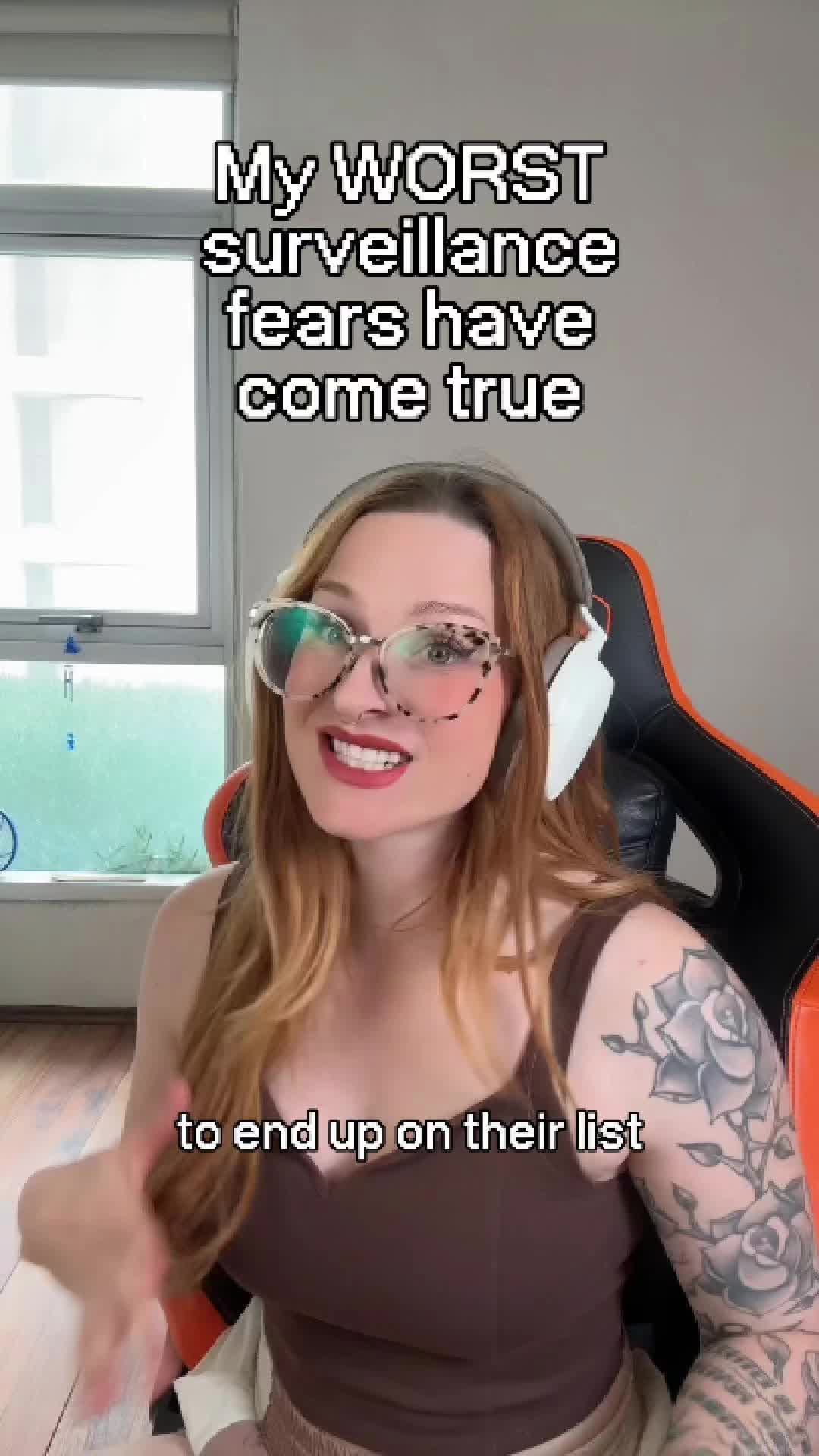
@addielamarr on TikTok You’re not imagining it — the world is getting darker. And if you feel angry, heartbroken, or helpless? Same. I’ve been raging. Crying. Spiraling. But I also built something. Because if you’re autistic, undocumented, disabled, trans, a dissident — or just someone who sees the truth? You don’t have time to be unprepared. This Privacy Survival Bundle gives you both the how and the why — so you can protect yourself, your people, and your future. 🛠️ Book 1: “Everything You Need to Know About Privacy in the Digital Age” A plain-language, tactical field guide to every modern surveillance threat — and how to fight back. 🚨 Book 2: “Marginalized Blacklist: Privacy as Survival in the Age of Eugenics” A survival manual for those of us already on the list. Deeply researched, historically grounded, and unapologetically honest. 💾 Comes in both PDF and EPUB formats so you can download, copy, and share easily. ✊🏽 Free, because it has to be. 🔗 Take it. Use it. Share it. This isn’t just content. It’s defense. Privacy isn’t paranoia — it’s protection. Xoxo, Addie💕 #cybersecurity #InfoSec #Tech #TechTips #techcareer #technology #internet #coding #womenintech #coding #education #IT #hacker #CybersecurityJob Do you see why privacy is important now??
Watch on TikTok