
263: If You’re Reading This
Notes from the Knowledge Farm
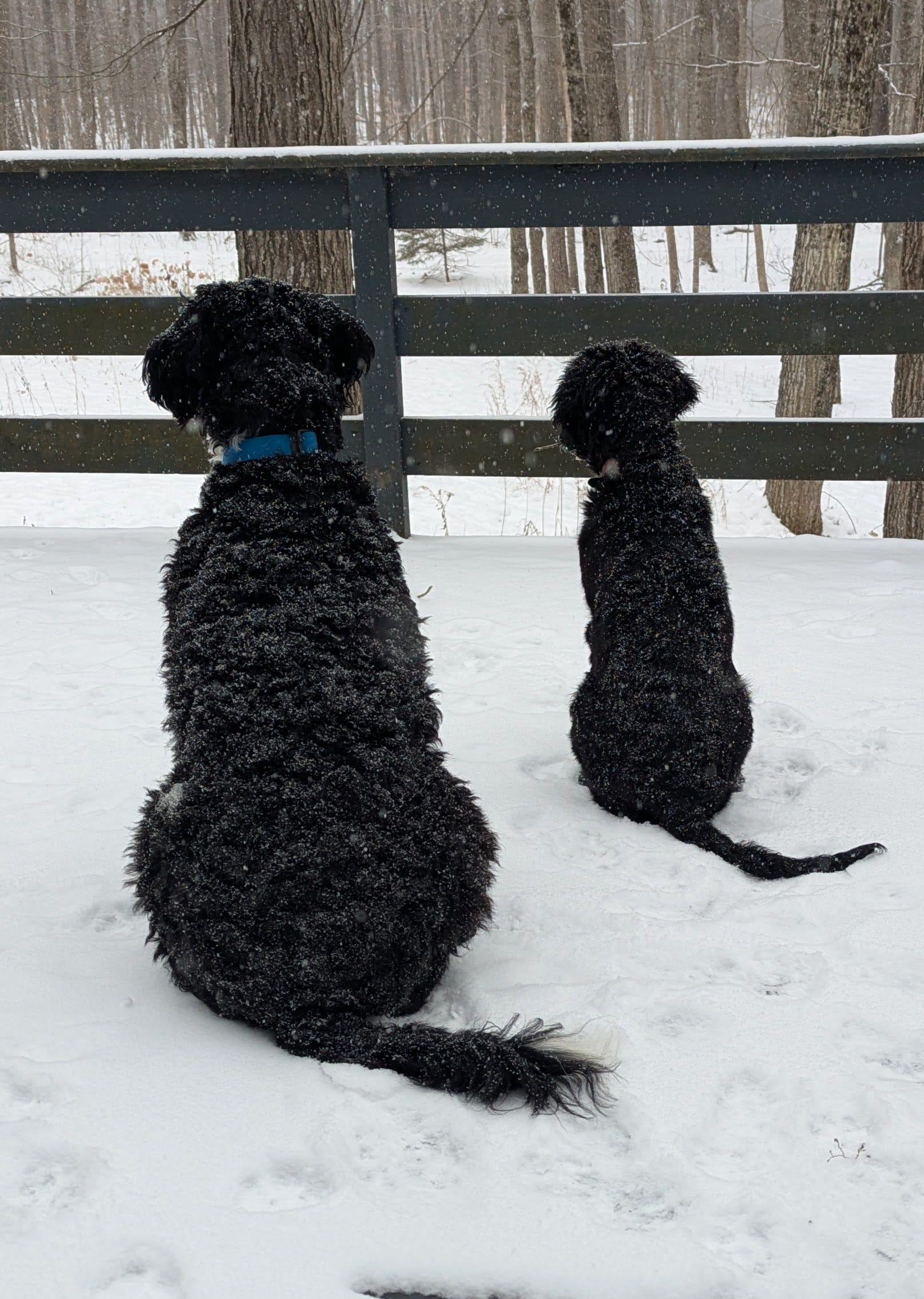
Somewhere between the comment section and the control room, a pattern starts to appear.
If you’re reading this, you’ve likely noticed it too. A sense that something fundamental is shifting, but that the language offered to explain it is either dishonest, hysterical, or designed to keep you passive. This newsletter exists for people who felt that dissonance and followed it instead of suppressing it. Welcome. And if you’ve been here a while, consider this a quiet regrouping.
Future of Authority is written for a moment when legitimacy is evaporating faster than it can be replaced. Institutions still speak with confidence, but fewer people believe them. Expertise is everywhere and nowhere at once. Technology claims inevitability while demanding obedience. Politics performs urgency without responsibility. This project isn’t about forecasting what comes next. It’s about paying attention to what is already underway—and refusing the comforting fiction that someone else is in control.
At its core, this work treats literacy as a form of survival. Political literacy. Media literacy. Technological literacy. Emotional literacy. We write about AI, media systems, agriculture, authority, democracy, labour, climate, disinformation, open source, and the quiet mechanics of power that connect them. Not as separate topics, but as an entangled system. The aim isn’t agreement. It’s comprehension.
This is also why the work is grounded, quite literally, in a working farm. Alongside the writing, Future of Authority is anchored in an experimental agricultural operation—a knowledge farm—where ideas about technology, autonomy, resilience, and care are tested against soil, weather, animals, infrastructure, and failure. Farming has a way of stripping abstraction of its pretensions. Systems either work, or they don’t. Authority either earns legitimacy, or it collapses. That tension runs through everything published here.
The community that’s formed around this work reflects that sensibility. Readers include marginalized radicals and post-establishment elites, policy wonks and media hacks, open-source spooks and institutional insiders who no longer trust their own institutions. What binds this strange coalition isn’t ideology, but a shared refusal to accept official explanations at face value. You’re not expected to agree with everything here. You are expected to think.
A practical note on how this ecosystem actually functions. Replying to an issue may feel natural, but those replies don’t reliably reach the author. If you want to support this work in ways that materially matter, there are three simple actions: hit the like button, leave a public comment, and share the piece with someone who should read it but probably won’t enjoy doing so. Those signals are how this work circulates and survives, short of direct financial contributions.
There is also a deeper layer of engagement. We maintain a Signal group chat for readers who want to argue in good faith, trade sources, and stress-test ideas before they harden into positions. If that sounds like your kind of trouble, you can apply by emailing [email protected]. That address is also the best place to challenge, critique, or correct anything published here. Authority that can’t be questioned isn’t authority worth defending.
It’s worth naming this plainly: Future of Authority is an art project as much as it is analysis. In the tradition of the artist as antennae, this work exists to sense patterns early—before they crystallize into policy, ideology, or catastrophe. The writing, the farm, the conversations, the provocations all serve the same function: tuning ourselves to weak signals, ambient contradictions, and the emotional weather of power. Not to aestheticize collapse, but to make it legible while there is still time to respond.
Which brings us back to you. This isn’t a broadcast so much as a call. When you like an issue, leave a comment, or share it, you’re completing the circuit. Those gestures tell us what resonated, what disturbed, what deserves deeper attention. If something here sharpened a thought, unsettled an assumption, or gave language to a feeling you couldn’t previously name, say so—publicly. That’s how this work stays alive, accountable, and worth continuing.
Tiktok failed to load.Enable 3rd party cookies or use another browser