
174: Guerrilla Warfare, Upgraded
How Ukraine is using gamification to reshape military logistics, culture, and combat
War has always rewarded the efficient and punished the slow. But now, in the digital trenches of Ukraine’s drone war, efficiency isn’t just strategic—it’s quantifiable. It earns you points. It upgrades your gear. It feels like a game. Because in some ways, it is one.
Welcome to the Army of Drones bonus program, a gamified battlefield economy where verified kills earn drone units “ePoints” redeemable for advanced tech through a military platform that functions like Amazon for warfare. This isn't a simulation. It’s the convergence of real-time combat, algorithmic coordination, and gamer logic, all in service of national survival.
The Mechanism: Points for Kills, Tech for Points
Ukrainian drone units film their operations—recorded eliminations of Russian targets—then upload them to the Delta situational awareness system. Once verified, those missions translate into “ePoints”:
6 points for a Russian soldier
10 for a machine gun nest
40 for a tank
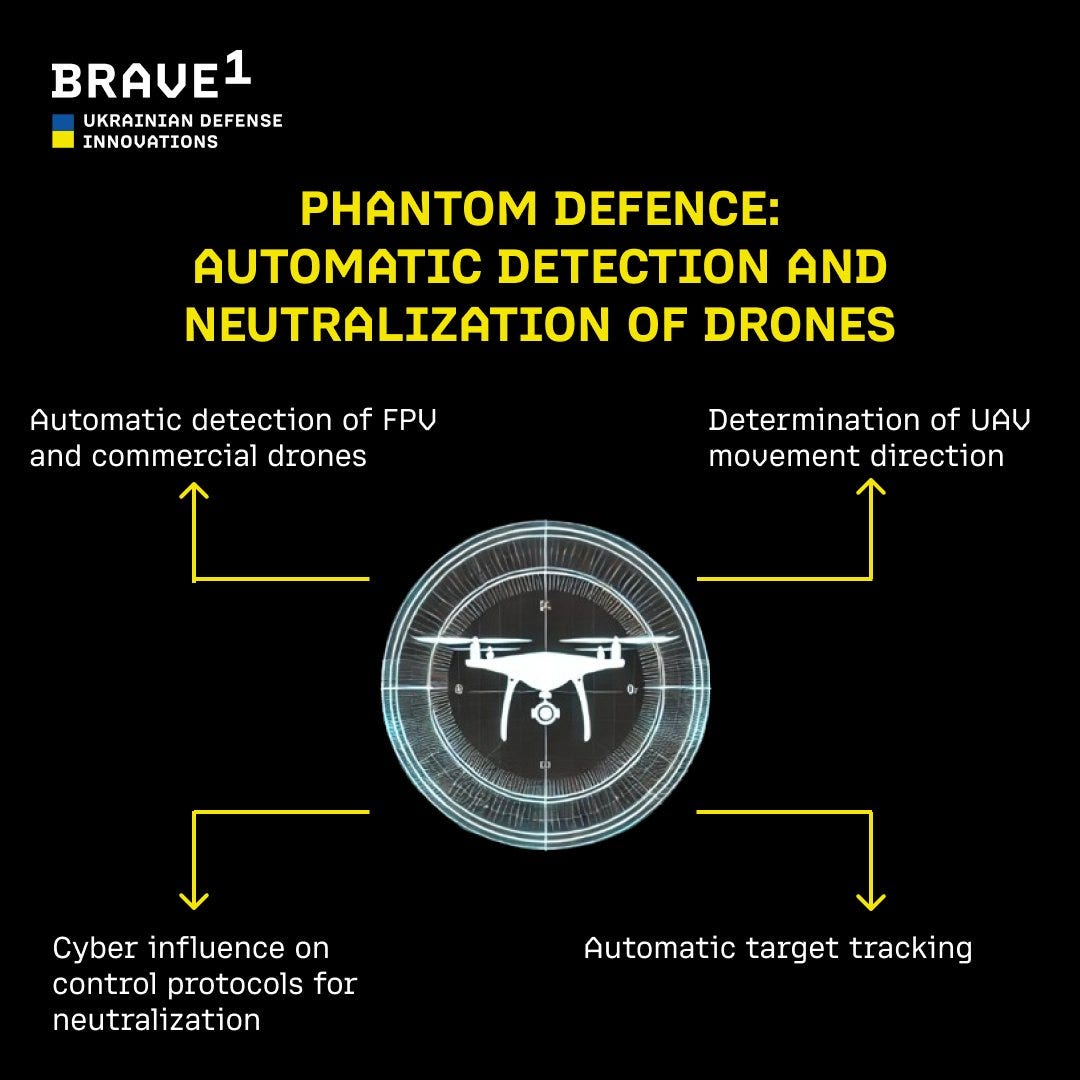
These points can be spent on the Brave1 Market, a centralized digital platform launched by Ukraine’s Ministry of Digital Transformation. Brave1 is part of a broader state-backed tech cluster aimed at accelerating defense innovation. It functions like a curated online marketplace for the military, showcasing domestically-developed drones, ground robots, jamming devices, and other wartime technologies.
It’s not just a procurement tool. Brave1 is also an R&D accelerator and matchmaking service between front-line needs and private-sector capabilities. Developers submit new products, drone crews vote with their point balances, and the most effective gear gains traction. It’s wartime logistics crossed with startup culture—fast, iterative, and relentlessly data-driven.
And it’s working. Elite drone units like Magyar’s Birds are showing what’s possible when speed, skill, and strategic autonomy collide.
Who Are Magyar’s Birds?
Magyar’s Birds is one of Ukraine’s most prominent first-person-view (FPV) drone strike units, led by Robert Brovdi a/k/a “Magyar.” Operating under the Ukrainian National Guard, the unit is known for its tactical agility, high kill counts, and mastery of FPV drone operations—essentially piloting kamikaze-style drones directly into enemy targets using live camera feeds.
Magyar is also a skilled propagandist and educator. His unit’s kills are regularly shared online in carefully produced videos—often set to music or edited with HUD-style overlays—intended to boost morale, recruit volunteers, and serve as training material. As of 2024, Magyar’s Birds had accumulated thousands of ePoints, allowing them to replenish and upgrade their drone arsenal at a pace unmatched by traditional supply chains.
Their success embodies the philosophy of the new warfare: decentralized, media-savvy, and metrics-optimized.
Gamer Logic Meets Tactical Realism
This is more than an incentive system. It’s a deep integration of gaming culture into military logic. Gamified systems rely on:
Instant feedback
Skill-based progression
Unlockable rewards
Competitive leaderboards
All of these now shape the rhythm and psychology of Ukrainian drone warfare.
For soldiers raised on Call of Duty or Arma 3, the interface is familiar. But the stakes are irreversible. Instead of “respawning,” there's grief, glory, and geopolitical consequence. Yet the design logic remains the same—optimize user performance, reward engagement, and generate loyalty through a sense of personal agency and tactical mastery.
On the battlefield, this system:
Accelerates innovation: Frontline feedback loops feed the domestic drone industry. The faster a unit spends points, the faster developers iterate.
Democratizes power: Any unit with skill and footage can earn their way to better tech. No longer are resources hoarded by elites or sluggish chains of command.
Incentivizes effectiveness: Success is tracked, rewarded, and scaled.
But there are darker layers:
Quantified death: Reducing enemy kills to point values is dehumanizing and fosters moral dissonance.
Psychological load: Turning combat into a points chase may amplify burnout or lead to performative violence for rewards.
Propaganda potential: The gamified kill footage can be weaponized across social platforms, turning warfare into content.
Potential for Insurgency?
Ukraine’s drone point system may be the prototype for how 21st-century wars will be fought and supplied:
Decentralized procurement: Reward systems can bypass slow hierarchies, giving field units agency to define their needs.
Real-time logistics: Tech marketplaces tailored for conflict zones could scale globally, especially in asymmetric or proxy wars.
Algorithmic command: The same systems used to allocate points could be used to rank missions, assign objectives, or even suggest tactical strategies based on prior success rates.
This is warfare as an API, where combat is quantified, command is distributed, and power flows to the most efficient node in the network.
Now imagine this system—not as a tool of a nation-state—but in the hands of a technologically adept insurgency.
A non-state resistance movement could build a gamified warfare app—peer-to-peer, encrypted, hosted on the dark web or low-orbit satellite meshnets. Verified acts of sabotage or disruption would be logged via body cam, drone footage, or sensor data. Community members, supporters, or even global sympathizers could "stake" rewards or bounties using cryptocurrency. A decentralized autonomous organization (DAO) could manage logistics, fund supply drops via drone, or offer performance bonuses voted on by the network.
Instead of centralized command, you'd have mission marketplaces. Instead of medals, digital credentials tied to reputation and trust scores. Each cell or individual operator would be both soldier and streamer, guerrilla and gamer. The fight becomes modular, borderless, and memetic—shaped by virality as much as strategy.
Such a system could empower stateless actors, liberation movements, or anarchic federations with real tactical autonomy—at the risk of also enabling authoritarian militias, ideological cults, or corporate armies. The infrastructure of gamified warfare is versatile; what animates it is purpose.
If Ukraine’s system reflects a defensive innovation born out of desperation and resilience, its legacy may be a new grammar of insurgency: a playbook that combines decentralized logistics, open-source drones, and TikTok aesthetics into a fully networked model of combat.
In this future, insurgency is less about territory and more about bandwidth. Victory is measured not by occupation, but by viral influence, fundraising metrics, and kill/death ratios tracked in real-time. War becomes not just political, but programmable.
And the authority that emerges from such systems? It will not come from constitutions or elections, but from dashboards, leaderboards, and the algorithmic consensus of the swarm.
Tiktok failed to load.Enable 3rd party cookies or use another browser