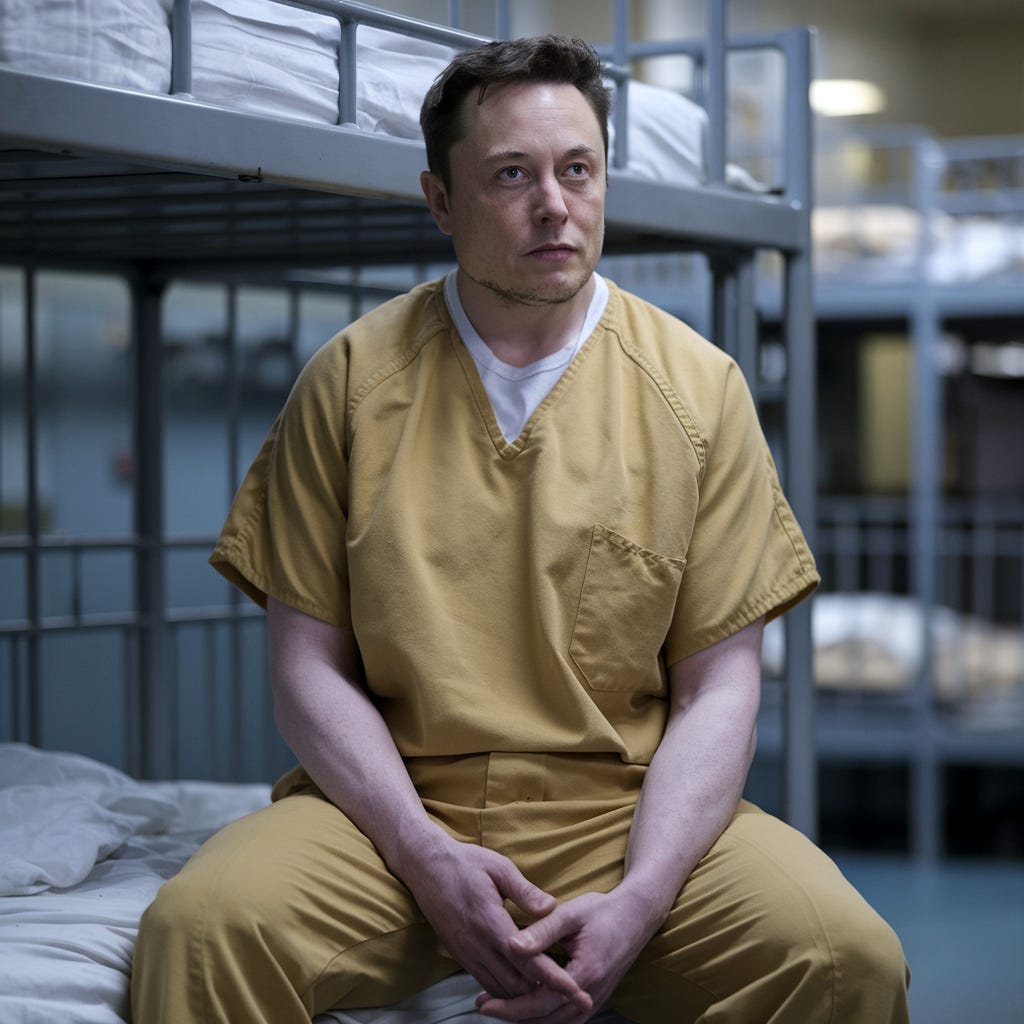
For years, Tesla stood as the crown jewel of the electric vehicle revolution, with its stock price soaring and its CEO, Elon Musk, embodying the myth of the tech visionary. But what happens when the empire starts to crumble? We are witnessing a rare corporate reckoning—one driven not just by market forces, but by an unprecedented convergence of political backlash, cultural shifts, and competitive innovation. The protests against Musk, the rise of rivals like BYD, and Tesla's waning dominance signal a seismic shift in the balance of power in the EV industry. The era of Musk as the unchallenged authority in this space is ending.
The Fall of a Tech Titan
Tesla's stock has plummeted by nearly 50% since its December 2024 peak. Investors once hypnotized by Musk's grand promises are now waking up to a more troubling reality. European sales have dropped by 45% since the start of 2025, with similar trends emerging in the North American market. The reason? A mass exodus of customers, spurred by Musk’s increasingly controversial political engagements.
His decision to serve Trump and lead the Department of Government Efficiency (DOGE) has alienated many of Tesla’s original supporters. The company's brand was built on the loyalty of environmentally conscious, tech-savvy progressives—many of whom now see Musk’s political affiliations as a betrayal. This has translated into real-world consequences: massive boycotts, showroom protests, and even targeted vandalism against Tesla facilities.
Tesla vs. the World
While Tesla falters, its competitors are surging ahead. Chinese EV giant BYD recently announced a five-minute charging breakthrough that offers 400 kilometers of range in the time it takes to buy a coffee. Their technological edge, combined with aggressive global expansion, is making Tesla look outdated. Investors have taken notice—BYD’s stock is hitting record highs while Tesla bleeds value.
Even legacy automakers, once lagging behind in the EV race, are capitalizing on Tesla’s weaknesses. Ford, GM, and Volkswagen are rolling out their own competitive models, many of which are more affordable and feature-rich than Tesla’s offerings. The narrative of Tesla as the default leader in EVs is collapsing under the weight of this growing competition.
Moreover, critics have long argued that Tesla's success has been built on a foundation of misleading, if not outright fraudulent, marketing—particularly regarding its Full Self-Driving (FSD) technology and exaggerated vehicle capabilities. Investigations and lawsuits continue to mount, further tarnishing Tesla’s image and potentially exposing the company to massive liabilities.
Musk's Wealth and Future at Risk
Musk's personal fortune has always been tied to Tesla’s stock price. As the company declines, so does his wealth. Since December, his net worth has shrunk by over $160 billion, and if Tesla’s downward spiral continues, his control over other ventures could be at risk. His ownership of X (formerly Twitter) is particularly vulnerable. The platform remains saddled with debt from his $44 billion takeover, and further financial instability could force him to sell off assets or cede control to creditors.
His other companies—SpaceX and xAI—while highly influential, are not yet public or consistently profitable. Their valuations depend heavily on Musk’s reputation, which is now rapidly deteriorating. If his standing continues to collapse, it could trigger a reversal in investor and government confidence, placing even these ventures at risk.
One complicating factor is the growing entanglement between Musk’s businesses and the U.S. government, particularly the military. SpaceX is a major contractor for the Pentagon, and Tesla has received substantial subsidies over the years. If Tesla's collapse threatens wider economic and national security interests, could we see the military or government stepping in to prop up Musk’s empire? The precedent is there—corporate bailouts, defense contracts, and state-backed interventions have saved major industries before. This scenario remains a distinct possibility.
Tesla’s downfall is more than just a corporate crisis—it’s a reflection of the limits of personality-driven companies in an era of increasing political and social accountability. Musk’s brand was once his greatest asset. Now, it may be his biggest liability.
The protests against Tesla mark a new phase of corporate resistance, where consumers wield their purchasing power as a form of political activism. For Tesla, the only way forward is a radical restructuring—one that may require sidelining Musk himself. If not, the company risks becoming a cautionary tale about the dangers of conflating individual celebrity with corporate success.