
110: The Power of Pattern Recognition: Neurodivergence and AI
A Force Against Fascism
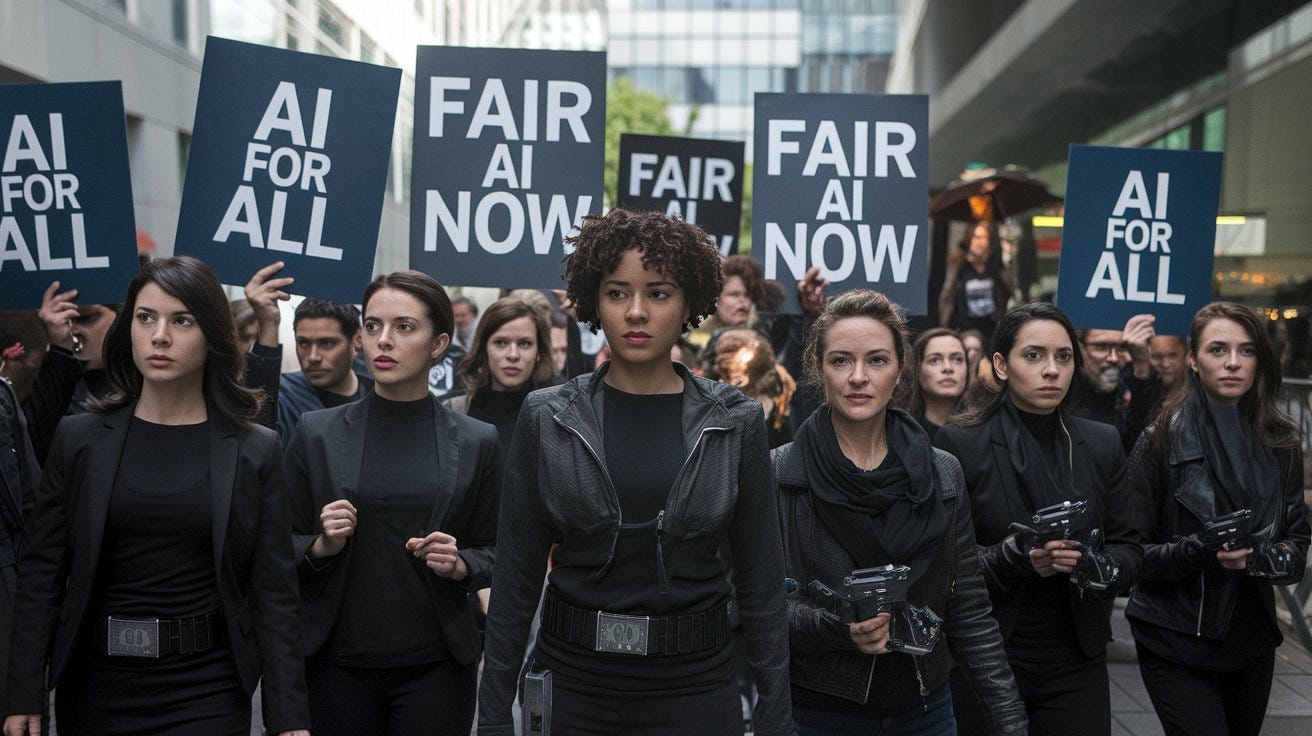
In the rapidly evolving landscape of artificial intelligence (AI), a paradox emerges: neurodivergent individuals—those with autism, ADHD, dyslexia, and other cognitive variations—are both indispensable to AI innovation and often marginalized by traditional institutional structures. Their unique cognitive abilities align seamlessly with the demands of AI development, yet systemic barriers frequently hinder their full participation.
Neurodivergent individuals often possess exceptional skills in pattern recognition, attention to detail, and innovative problem-solving. These attributes are invaluable in AI fields such as data annotation and bias detection. Research indicates that neurodiverse teams are particularly adept at identifying and mitigating biases in AI models, leading to more robust and equitable systems.
Beyond technical prowess, many neurodivergent individuals bring a profound commitment to social justice, fairness, and accuracy. This ethical orientation is crucial in addressing the moral implications of AI technologies. Their lived experiences often provide them with unique insights into the societal impacts of AI, making them invaluable contributors to discussions on AI ethics and policy.
Challenges and Alienation Within Large Institutions
Despite their strengths, neurodivergent individuals frequently encounter obstacles in traditional workplace environments. Rigid hiring practices, sensory-unfriendly workspaces, and a lack of understanding about neurodiversity can create exclusionary settings. Studies have shown that a significant number of neurodivergent employees experience overstimulation due to poor quality lighting, noise, and overcrowded workspaces, leading to challenges in traditional lab environments.
Moreover, the correlation between neurodivergence and socioeconomic challenges is stark. Research suggests that 12.3% of people experiencing homelessness are autistic, compared with 1-2% of the general population. This statistic underscores the systemic failures in supporting neurodivergent individuals, leading to increased vulnerability and marginalization.
Given these challenges, many neurodivergent professionals find greater success in smaller organizations, startups, or as independent contributors. These environments often offer the flexibility and autonomy that align better with neurodivergent working styles. The open-source community, in particular, has become a refuge for neurodivergent individuals, providing a platform where they can collaborate on AI projects without the constraints of traditional corporate structures. The open-source model values contributions based on merit and innovation rather than neurotypical social norms, allowing neurodivergent individuals to thrive and influence the direction of AI development in profound ways.
Inclusive Measures for AI Development
To harness the full potential of neurodivergent talent, the AI industry must implement inclusive practices:
Adaptive Hiring Processes: Develop recruitment strategies that accommodate diverse communication styles and reduce biases against neurodivergent candidates.
Sensory-Friendly Workspaces: Design environments that minimize sensory overload, with considerations for lighting, noise levels, and spatial arrangements.
Flexible Work Arrangements: Offer remote work options and flexible schedules to accommodate varying energy levels and work preferences.
Neurodiversity Training: Educate teams about neurodiversity to foster empathy, reduce stigma, and promote collaborative working relationships.
AI, Neurodivergence, and the Fight Against Fascism
The rise of neurodivergent individuals in AI is not just about inclusion—it is part of a larger ideological battle over the future of society. The Trump administration's attacks on Diversity, Equity, and Inclusion (DEI) initiatives reflect a broader effort to reinforce hierarchical structures that suppress marginalized voices. AI, when shaped by neurodivergent thinkers committed to justice and accuracy, has the potential to challenge these authoritarian impulses. By resisting attempts to erase or diminish neurodivergent contributions, we are not merely advocating for better AI—we are defending a more just and democratic world.
The growing presence of neurodivergent individuals in AI represents a shift in authority. It is not just about who gets to build the future but who gets to define it. As neurodivergent innovators continue to carve out space in open-source communities and beyond, they bring with them a vision for AI that is fair, transparent, and resistant to the forces of oppression. Their fight for inclusion is part of the broader struggle against fascism—one that will shape the technological and political landscapes for years to come.
P.S. If like the author of this issue you were designated as gifted when you were in school in the 1980s and 90s, there’s a high likelihood that you’re neurodivergent in some manner.
P.P.S. The latest Red-Tory episode is worth your time: