
98: Manufacturing Consent & Managing Voters: The New Corporate Politics
The Iron Law in the Age of Oligarchy
As an open source intelligence agency, Metaviews operates according to a social media contract between the producer and the consumer, or more aptly, the workers and the community. We gather knowledge and analysis, asking that you share it, when so moved, to help us build the network. Similarly if you engage our work, we will respond to your questions, concerns, and requests.
Recently Russell McOrmond took the time to go back and read through many of the issues we’ve published since we started (again) in late October, including leaving many comments. Thanks Russell! Today’s issue is for you.
Democracy has not perished in a dramatic coup or faded quietly into obscurity. Instead, it has been slowly and systematically transformed—consumed by the very institutions that claim to uphold it. Political parties, once the vessels of ideological struggle and public representation, have become corporate entities, driven not by democratic principles but by the logic of capital, branding, and oligarchic control.
Robert Michels, in his seminal work Political Parties, articulated the Iron Law of Oligarchy: in any large-scale organization, leadership consolidates power, becomes self-serving, and ultimately suppresses true democratic participation. What he described in 1911 has evolved into a full-fledged corporate takeover of political life in the 21st century.
From Political Contest to Corporate Pageantry
Elections, leadership contests, and even local nominations should, in theory, be spaces for political debate, ideological struggle, and the democratic selection of candidates. Instead, they have become carefully managed corporate spectacles. Success in these arenas is not determined by political acumen or vision but by brand management, fundraising prowess, and the ability to navigate a risk-averse, consultant-driven system that values public relations over policy.
Riding nominations—once grassroots battlegrounds for local democratic engagement—are now centrally controlled, favoring candidates who align with party branding and corporate donors.
Leadership races are no longer ideological struggles but brand exercises, determined more by advertising budgets than by political ideas.
Election campaigns have been reduced to marketing strategies, where slogans are tested like consumer products and where risk-averse, scripted messaging ensures that nothing substantive is ever debated.
Political parties no longer exist to channel public demands into governance; they exist to perpetuate themselves, to maintain their own bureaucratic and financial structures. Their leaders, like corporate CEOs, serve not the people but the party machine—one increasingly entangled with corporate and financial interests.
As political parties adopt corporate structures, their logic follows suit. Just as corporations avoid risk to maintain market stability, political parties now avoid bold policies that might alienate donors or disrupt the status quo. The result?
Mediocre governance—where policy innovation is suffocated by fear of economic repercussions.
Strategic ambiguity—where leaders refuse to take clear stances for fear of offending any segment of their broad, market-tested coalition.
Reduced accountability—as politicians act less like public servants and more like brand managers, focusing on optics over outcomes.
This has led to an electorate that sees political parties as little more than subsidiaries of larger corporate interests, reinforcing the perception that democracy itself is a hollow spectacle.
The Rise of the Faux Populist Revolt
It is within this vacuum that the far right has found fertile ground. By positioning itself as the enemy of the establishment—of the political class, of corporate media, of bureaucracy—it claims the language of freedom and democracy while actively undermining both.
This is the great irony of modern political discourse: the collapse of real democratic representation has allowed reactionary movements to seize the language of anti-establishment revolt. Not because they offer a genuine alternative, but because they have the clarity of being against something, while the mainstream parties stand for nothing at all.
In this landscape, political leaders are no longer accountable representatives but untouchable executives, managing public perception while consolidating control. Many of them, like their corporate counterparts, are not just leaders but shareholders—controlling the very political structures they claim to serve. Their decisions are not dictated by democratic will but by market forces, party insiders, and unelected consultants who decide what is and isn’t permissible in the political arena.
Democracy as Reality Television
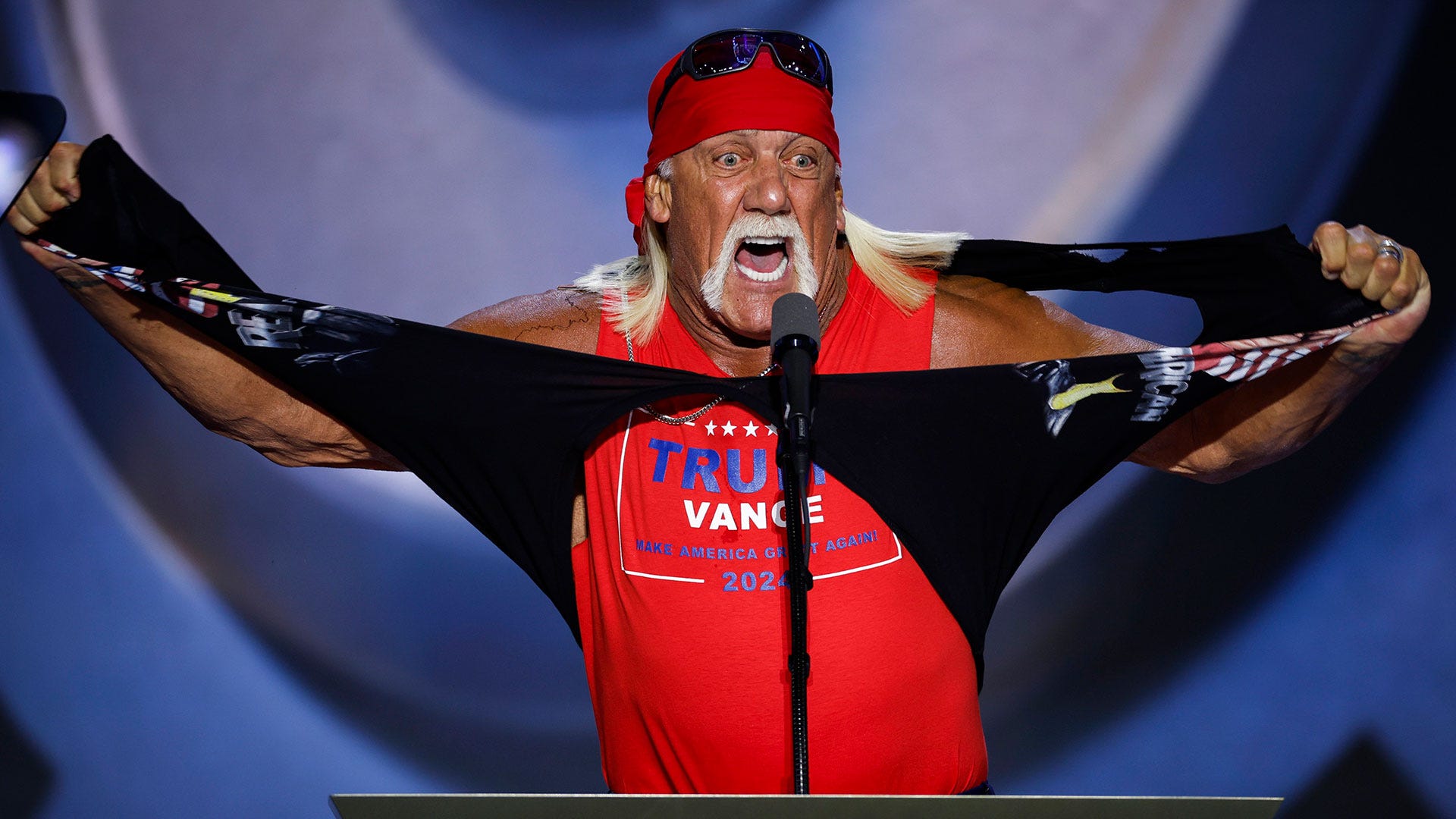
In a media landscape dominated by soundbites and social media virality, political discourse has been reduced to entertainment, with elections framed as reality TV competitions rather than democratic exercises. This is not a glitch in the system; it is the system. Every cycle, we are given a new season of Democracy: The Franchise, where the audience is granted just enough participation to maintain the illusion of agency while the real decisions are made offstage.
Party conventions are scripted events, managed by PR professionals.
Policy platforms are focus-grouped to the point of meaninglessness.
Political debates are reduced to performance rather than substantive engagement.
And yet, democracy is not dying in darkness—it is being suffocated in broad daylight, broadcast live with commercial breaks and endless sponsorship deals. This is the new political economy: a democracy where citizens are not participants but passive consumers, and where authority is no longer derived from the people but from the structures of capital.
If the corporatization of political parties represents a fundamental erosion of democratic authority, then reclaiming that authority requires systemic change. It demands a political system where:
Nominations and leadership contests are democratized, not dictated by party insiders and funders.
Elected representatives are accountable, not just to their party machinery but to the people they serve.
New political movements emerge, rooted in democratic participation in addition to brand strategy.
Democracy, if it is to survive, must break free from the corporate structures that now define it. Otherwise, we will continue watching its slow suffocation—live, in high definition, sponsored by the very forces that profit from its decline.
Tiktok failed to load.Enable 3rd party cookies or use another browser