
85: The Power of Pardons and the Rise of Parallel Authority
Building Power Beyond the State
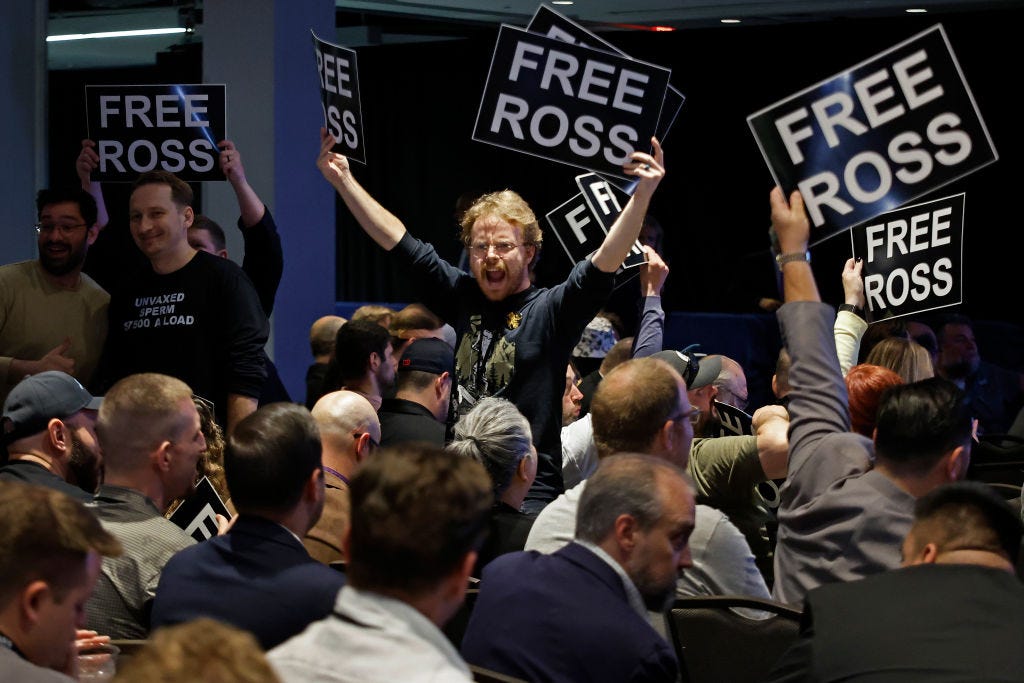
As Donald Trump returns to the presidency, his first wave of pardons has sent shockwaves through the political landscape. In a sweeping display of executive clemency, Trump pardoned over 1,500 individuals connected to the January 6th Capitol attack and granted a full pardon to Ross Ulbricht, the founder of the Silk Road darknet marketplace. These actions hint at a deeper strategy—one that seeks to build power and authority outside of the traditional state apparatus.
Trump's pardons suggest a deliberate effort to cultivate loyalty and influence among groups that operate at the fringes of, or in opposition to, the formal state structure. Whether it's the far-right activists behind January 6th or libertarian-leaning supporters of Ulbricht, these clemency decisions reinforce the idea that political allegiance can transcend institutional boundaries.
Why would a leader invest in cultivating such extra-governmental power? The answer lies in a fundamental distrust of the existing system and an anticipation of resistance from institutions designed to check executive overreach—namely, the judiciary, civil service, and the rule of law itself.
The Fascist Playbook: Circumventing Constraints
Fascists and authoritarian figures have long sought to build alternative power structures to circumvent institutional constraints. Democratic systems are designed to limit the concentration of power, with civil servants and legal professionals acting as gatekeepers. By creating alternative networks of authority, Trump and his allies can bypass legal oversight and administrative resistance.
This strategy allows for:
Delegitimization of Institutions: Constant attacks on the "deep state," media, and judiciary cultivate public distrust, making alternative sources of authority more appealing.
Parallel Governance: From private militias to alternative media networks, these structures provide a platform to implement policies and narratives outside traditional oversight.
Mobilization of Loyalists: Pardoning those involved in January 6th and Ulbricht's supporters signals that loyalty to Trump can offer protection from legal consequences, encouraging further alignment.
Preparing for Resistance and Backlash
Trump and his allies anticipate strong resistance from institutional bodies. The pardons act as a countermeasure, empowering individuals and groups who have demonstrated a willingness to challenge the state. These figures are now positioned as loyal operatives, ready to resist any attempts by the judiciary, Congress, or civil service to limit Trump's influence.
This anticipatory strategy reflects an understanding that governing through traditional means may not be viable, and a parallel system of governance, enforcement, and public persuasion must be maintained. Whether through pardoned political operatives or influential tech libertarians, the goal is to create an ecosystem of power that thrives outside conventional legal frameworks.
Ulbricht and the Future of Decentralized Power
Ross Ulbricht's pardon signals more than just an appeal to libertarian ideals; it underscores the increasing relevance of decentralized, non-state-controlled systems. The Silk Road marketplace, while infamous, was a pioneering effort in circumventing state control over commerce. By pardoning Ulbricht, Trump acknowledges and encourages the idea that power can and should exist beyond government oversight.
For fascists and authoritarians, decentralized financial and communication networks present an opportunity to sidestep traditional enforcement mechanisms and expand influence in ways that are difficult to regulate. Cryptocurrency, encrypted communications, and self-sustaining economic networks all play into this broader vision of parallel authority.
The construction of alternative authority structures poses significant risks to democratic governance. If power increasingly shifts to informal networks of loyalty, traditional checks and balances may erode beyond repair. Key concerns include:
The Normalization of Political Violence: Pardoning those involved in January 6th sets a dangerous precedent that extralegal actions may be excused if aligned with the right political objectives.
The Erosion of Public Trust: As official institutions are bypassed, the public may lose faith in their legitimacy, further empowering authoritarian alternatives.
A Fragmented Society: Competing power structures create social polarization, where loyalty to personal networks outweighs adherence to national institutions.
Trump's pardons are not just acts of clemency; they are strategic moves in an ongoing struggle for authority. By creating a loyal base outside the traditional state framework, he is positioning himself as an arbiter of justice and legitimacy, challenging the very foundations of democratic governance.
As we navigate this evolving landscape, it is crucial to recognize these developments for what they are—an effort to erode institutional authority and replace it with a more personal, loyalty-driven system of power. The future of authority will depend on how effectively democratic institutions can respond to these challenges and reaffirm their role in a society increasingly pulled toward alternative centers of power.