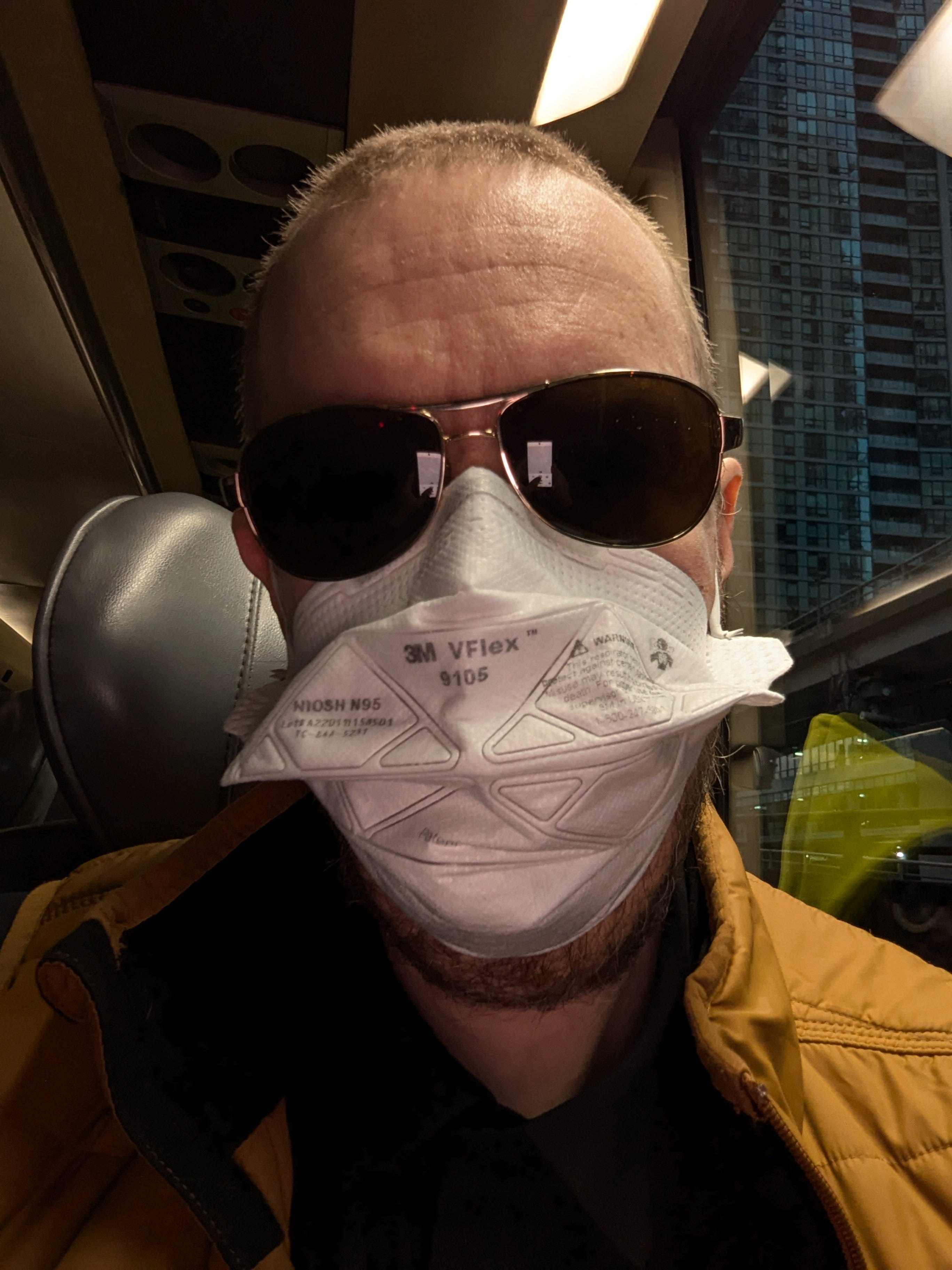
The past few years have left a troubling legacy in the realm of public health. As the current “quaddemic” of COVID-19, influenza, RSV, and norovirus collides with the looming threat of an H5N1 pandemic, North American societies find themselves ill-prepared to respond. Vaccine rates are plummeting, effective measures like masking are stigmatized, and disinformation has entrenched itself to a degree that public education campaigns seem futile. The result is a perfect storm, where a strained healthcare system is teetering on the brink and the impacts are rippling through the economy via disrupted supply chains.
A Legacy of Distrust and Disarray
The inadequate response to the COVID-19 pandemic laid the groundwork for the current crisis. Heavy-handed lockdowns, which reflected a lack of preparedness, fueled public resentment and gave rise to powerful anti-government narratives. Conspiracists capitalized on the confusion and fear, securing a narrative victory that has since undermined trust in public health measures.
Today, vaccine rates in the U.S. and Canada are alarmingly low. As of late 2024, only 21% of adults are up to date with COVID-19 boosters, and flu vaccination rates hover around 41%, according to recent data. Even childhood vaccinations, once a cornerstone of public health, are slipping below the thresholds needed for herd immunity. This erosion of trust extends beyond vaccines; masks, one of the simplest and most effective tools for reducing transmission, are now symbols of division rather than protection. Many people actively avoid them, even in crowded spaces or during peak viral seasons.
Supply Chains Feel the Strain
The impact of this public health crisis is not confined to hospitals. The current avian flu outbreak, particularly the spread of H5N1 among poultry and dairy herds, is negatively impacting agricultural sectors. Nearly 123 million poultry in the U.S. have been culled to control the virus, sending egg prices soaring to record highs. Dairy production has also taken a hit, with mandated testing of milk supplies adding to operational challenges.
The effects are felt across industries. From food shortages to labor disruptions caused by widespread illness, the strain on supply chains is evident. These challenges are compounded by the healthcare system’s inability to manage increasing patient loads, further amplifying economic instability.
Misplaced Faith in Public Education
Governments’ reliance on public education campaigns to combat this crisis highlights a fundamental miscalculation. While efforts to inform the public about vaccines, hygiene, and masking are important, they’re up against a tide of entrenched disinformation. Social media platforms remain hotbeds of conspiracy theories and anti-vaccine propaganda, undermining any progress made by official campaigns.
For example, during the height of the COVID-19 pandemic, platforms like Facebook and YouTube faced backlash for allowing the spread of falsehoods about vaccines and treatments. This trend continues today, with the same actors promoting doubts about the safety of vaccines or downplaying the severity of the quaddemic. Public health officials are effectively trying to drain the ocean with a bucket.
What Lies Ahead
Without swift and decisive action, North America risks an escalating health and economic crisis. Public health strategies must shift beyond education to actively counter misinformation and rebuild trust. This includes stronger regulation of disinformation on digital platforms, investments in community-based health initiatives, and targeted outreach to high-risk populations.
Mask mandates, while controversial, should be reconsidered. The stigma around masks needs to be actively dismantled through normalized public messaging and leading by example.
In the long term, reinvesting in healthcare infrastructure and workforce resilience is essential. Hospitals cannot continue to operate at the breaking point, and supply chains require more robust protections against future disruptions. The stakes are too high to maintain the status quo.
The convergence of the quaddemic and H5N1 pandemic is a wake-up call. It is a stark reminder that public health is not just a matter of individual choice but a collective responsibility. North America’s ability to navigate this crisis depends on overcoming the deep fractures in trust and cooperation that have taken root over the past decade. The question is no longer whether the storm will come—it’s already here. The challenge now is whether we can rise to meet it.