
The Grass is Greener When You Can Eat It: Parks as Community Farms
Rethinking Urban Landscaping and Food Security
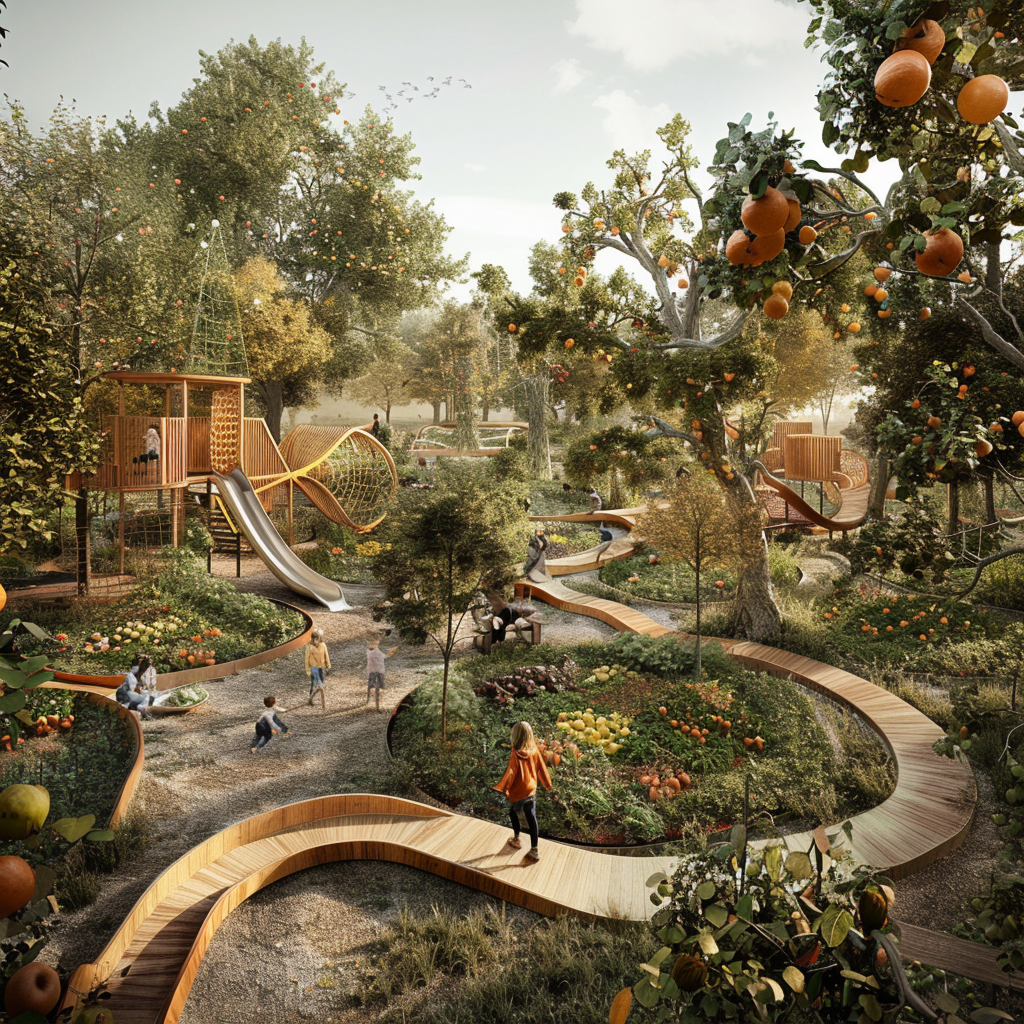
Rethinking urban parks as farms presents a paradigm shift that could revolutionize not only our interaction with these green spaces but also our broader approach to urban sustainability and community engagement. This perspective challenges the traditional view of parks as merely recreational spaces, proposing instead a model where parks are actively cultivated for recreation, food production and ecological benefits. This approach can enhance the health of urban environments, foster community involvement, and promote a deeper connection between city dwellers and the natural world.
The Current Paradigm: Parks as Recreational Spaces
Urban parks are traditionally designed and maintained as areas for recreation and leisure. The predominant landscaping choice, grass, along with decorative trees, serves aesthetic purposes and recreational needs. However, this model, while providing valuable green spaces in urban areas, overlooks the potential of parks to contribute more actively to urban sustainability and food security, without sacrificing the original intent.
The Problem with Grass and Conventional Tree Planting
The choice of grass and certain types of trees in urban parks is often dictated by aesthetic and low maintenance considerations rather than ecological or productive value. Grass, in particular, requires significant resources to maintain, including regular mowing, watering, and chemical treatments, which can have environmental downsides. Conventional tree planting may prioritize non-native, ornamental species that offer limited ecological benefits compared to native or fruit-bearing trees.
Rethinking Parks: The Urban Farm Model
By reconceptualizing urban parks as farms, we can begin to imagine a multifunctional landscape that supports biodiversity, food production, and community engagement. This model encourages the planting of edible landscapes, including fruit trees, vegetable gardens, and herb plots, transforming parks into productive spaces that can contribute to local food security.
Edible Landscapes and Play
Integrating edible landscapes into parks does not preclude recreational use; rather, it can enhance it. Play areas can be designed amidst fruit orchards or alongside vegetable plots, offering educational opportunities and sensory experiences for children and adults alike. Such environments foster a connection to food sources and encourage healthy eating habits.
Animal Integration and Waste Recycling
Incorporating animals into park ecosystems, where appropriate, can provide numerous benefits. Beyond the joy and educational value of interacting with animals, their presence can support ecological functions such as pollination and pest control. Animal waste, when properly managed, becomes a valuable resource as compost, enriching soil fertility and supporting plant growth.
Community Gardens: A Nexus of Participation and Production
Community gardens within urban parks epitomize the concept of participatory agriculture. These spaces empower residents to grow their own food, learn about sustainable farming practices, and strengthen community ties. The collaborative nature of community gardening fosters a sense of ownership and responsibility for the local environment, promoting active stewardship of urban green spaces.
Expanding the Scope of Park Usage
Viewing parks as farms expands the scope of their potential uses, making them centers for sustainability education, community engagement, and biodiversity conservation. This model encourages innovative designs that integrate water management features, such as rain gardens and bioswales, enhancing the ecological resilience of urban areas.
Implementation Challenges and Solutions
Adopting this model requires overcoming barriers related to zoning regulations, maintenance considerations, and public acceptance. Strategies for successful implementation include:
- Educational Campaigns: Raising awareness about the benefits of edible landscapes and participatory agriculture.
- Policy Advocacy: Working with local governments to adjust zoning laws and support urban agriculture initiatives.
- Community Engagement: Involving residents in the planning and maintenance of urban farms to ensure their needs and preferences are met.
Transforming urban parks into participatory agriculture spaces presents an opportunity to reimagine our relationship with the urban environment. Parks are already farms, we just don’t approach them that way. We don’t have to abandon their role in recreation, but instead better manage them to address our changing needs in the face of climate change. As cities continue to grow, adopting this model could be key to creating more resilient, healthy, and inclusive urban communities.