
The Future of Fashion: Embracing Upcycling for a Sustainable World
Drowning in textile waste, the fashion industry stands at a crossroads
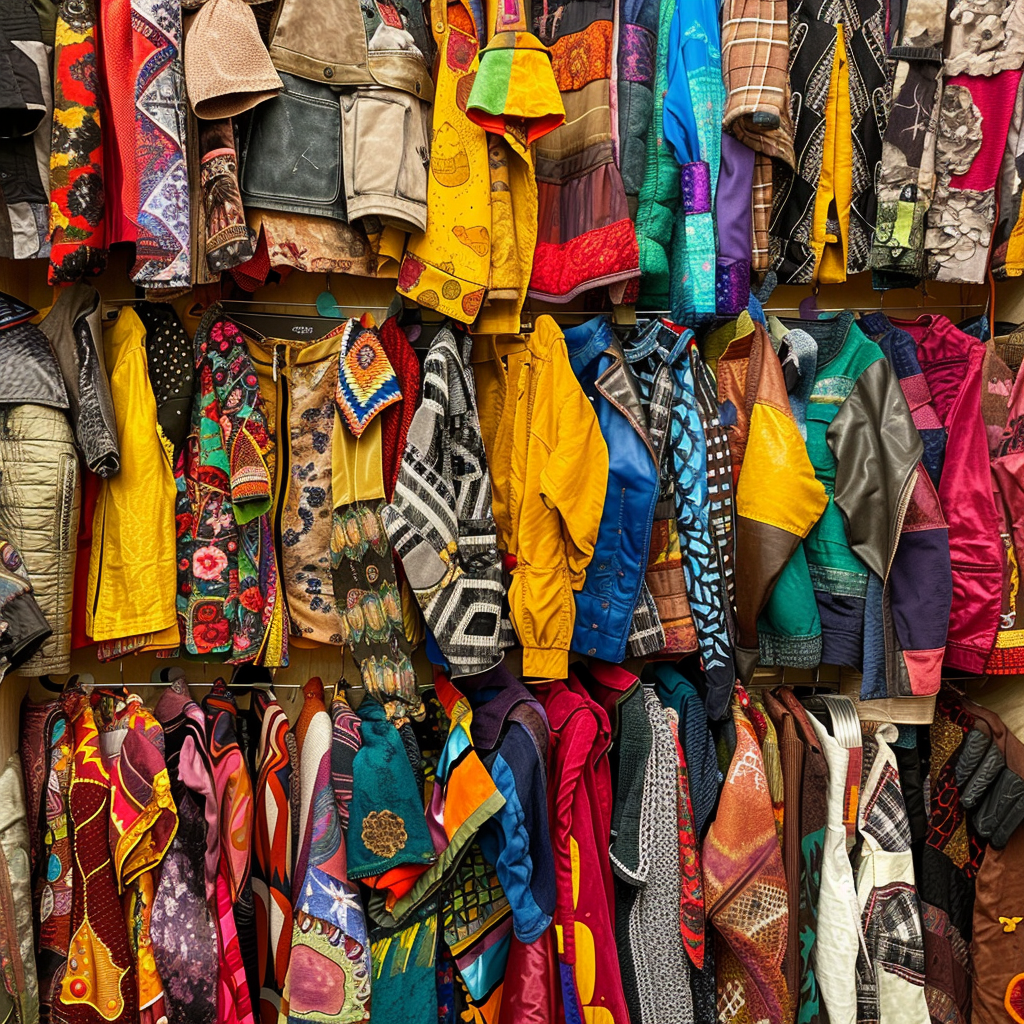
With landfills brimming with discarded garments and the environmental toll of new clothing production skyrocketing, a sustainable pivot is not just necessary — it’s urgent. Enter upcycling, a beacon of hope and innovation in the sustainable fashion movement.
Why Upcycling?
Imagine a world where not a single new piece of clothing is manufactured from this day forward. Surprisingly, we’d still have an abundance of clothes to dress every individual on the planet. This excess is a testament to the overproduction and consumerism that have defined the fashion industry for decades. However, it also highlights a significant opportunity: upcycling.
Upcycling in fashion is not just about waste reduction. It’s a revolutionary approach that reimagines the lifecycle of garments, transforming outdated or unused textiles into stylish, desirable pieces. This practice allows for constant evolution in fashion, catering to our innate desire for novelty and self-expression, without the environmental footprint associated with new clothing production.
Fashion Evolving Without Waste
The beauty of upcycling lies in its ability to merge sustainability with creativity. It proves that style and fashion sensibility need not stagnate for the sake of eco-friendliness. On the contrary, upcycling encourages a dynamic fashion landscape, where trends and personal styles evolve through reinvention rather than disposal. Designers and individuals alike can dive into the vast pool of existing materials to craft unique, meaningful pieces that tell a story — reducing waste while enriching the fashion narrative.
Scaling Up Upcycling
The question then becomes: How do we scale upcycling to transform the fashion industry at large? The challenge is sizable but not insurmountable. Here are some ideas:
- Collaborative Initiatives: Encourage partnerships between designers, brands, and recycling companies to create large-scale upcycling projects. These collaborations can leverage the strengths of each party, from creative design to material sourcing and production.
- Consumer Awareness and Participation: Educate consumers on the impact of their fashion choices and the value of upcycled garments. Workshops, social media campaigns, and in-store events can showcase the process and benefits of upcycling, fostering a market for these products.
- Innovative Business Models: Explore new business models that prioritize sustainability, such as fashion rental, subscription services, and second-hand marketplaces. These models can integrate upcycled garments, making sustainable fashion accessible and desirable to a broader audience.
- Supportive Policies and Incentives: Advocate for policies that support sustainable practices, including tax incentives for businesses that practice upcycling and regulations that encourage waste reduction. Government and industry standards for sustainability can also elevate upcycling as a mainstream practice.
- Technology and Innovation: Invest in technology that facilitates the upcycling process, from textile sorting to material processing. Digital platforms can connect designers with available materials, while advancements in textile engineering can enhance the quality and durability of upcycled fabrics.
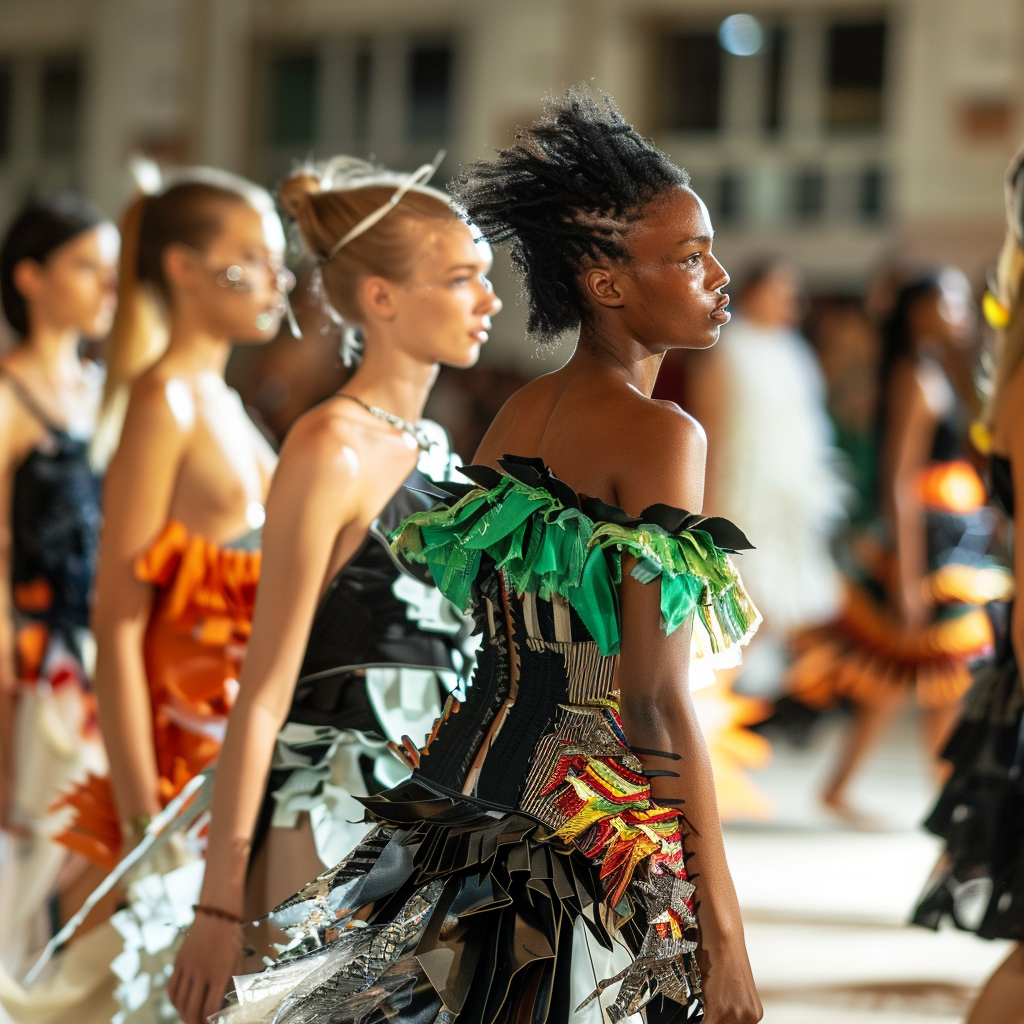
In conclusion, upcycling represents a sustainable model for the future of fashion, one that harmonizes the desires for individuality, style, and environmental responsibility. By embracing upcycling at scale, the fashion industry can take a significant step toward a more sustainable, waste-free future. It’s a collective journey that requires the participation of all stakeholders — designers, businesses, consumers, and policymakers alike. Together, we can redefine fashion as a force for good, proving that sustainability and style can go hand in hand.