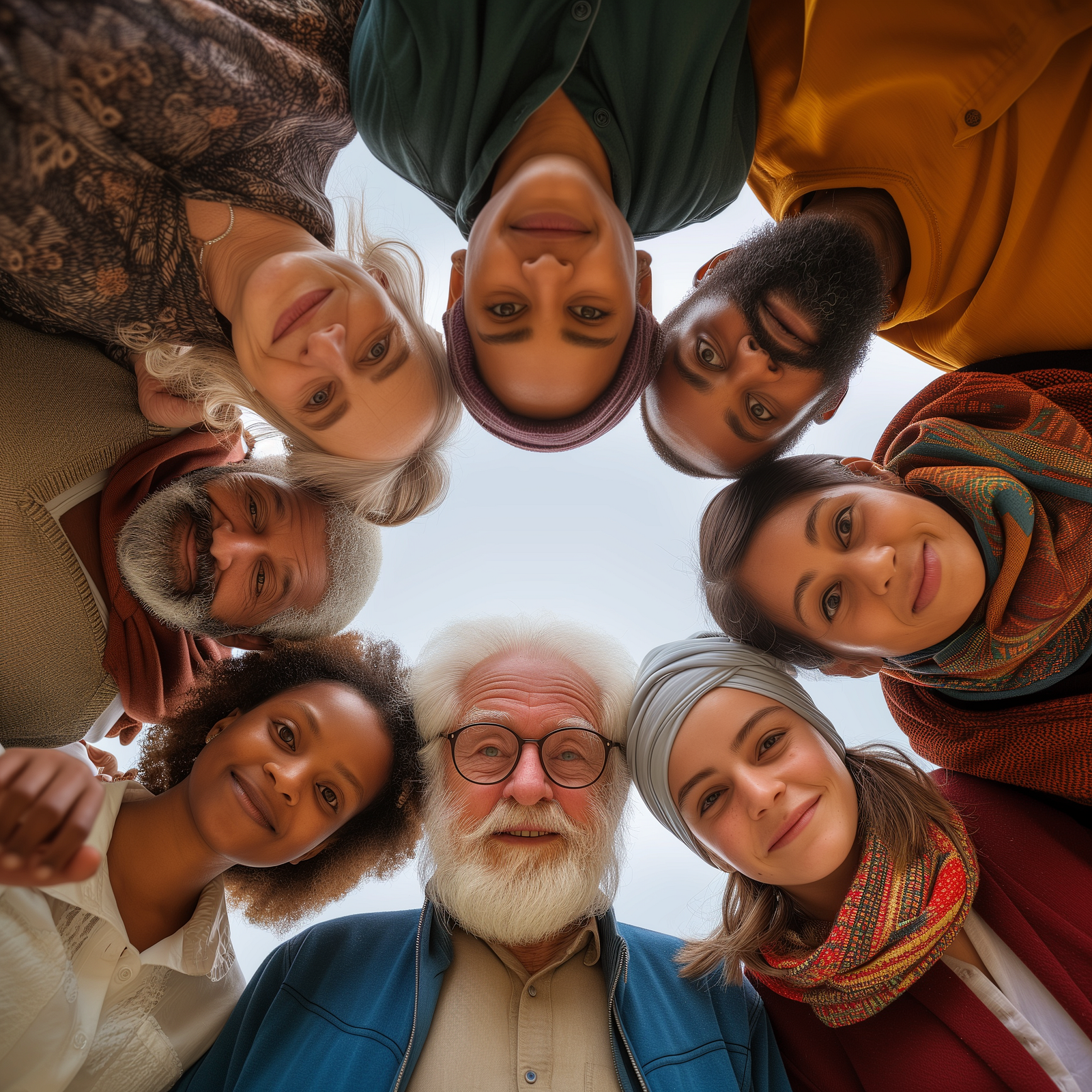
Reimagining Elderhood: A Broader Vision for a Wiser Society
Why it’s time to break free from outdated stereotypes and embrace a more inclusive vision of elderhood.
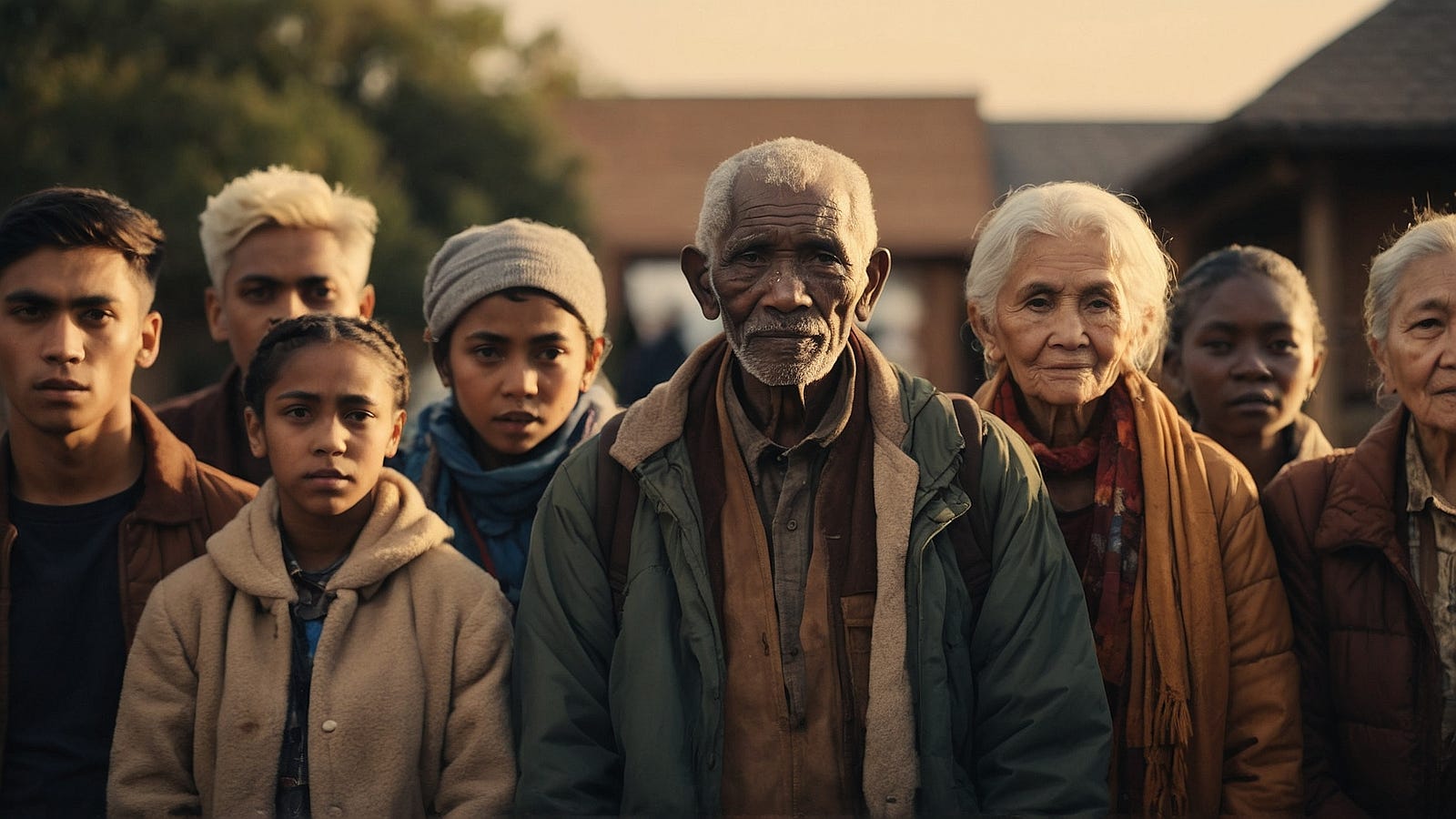
For millennia, societies have revered elders based on their age, associating it with accumulated wisdom and experience. But is this approach truly inclusive, or does it unintentionally exclude valuable individuals simply because they’re seen as young?
It’s time to challenge this traditional concept and explore a more inclusive model of elderhood, one that recognizes wisdom, contribution, and leadership potential regardless of age. By doing so, we can enrich our communities and unleash the full potential of individuals across generations.
Moving Beyond Chronological Age:
Solely relying on age to define elderhood creates limitations. It overlooks the diverse life paths people take, from those who gain profound knowledge young to those who blossom later in life. It risks stereotyping and marginalizing individuals with unique and valuable experiences to offer.
Instead, let’s focus on qualities and contributions:
- Wisdom isn’t limited by years lived. Consider those who demonstrate deep understanding of their field, community, or self, regardless of their age.
- Mentorship plays a crucial role in fostering growth. Recognize individuals who actively guide and empower others, regardless of the age difference.
- Leadership comes in many forms. Look for individuals who inspire and unite the community through vision, empathy, and effective communication, irrespective of their age on the calendar.
- Contribution is key. Individuals who make significant positive impacts, whether through innovation, problem-solving, or acts of service, deserve recognition as elders.
Building an Inclusive Recognition System:
To truly embrace this broader conception of elderhood, we need a community-driven selection process:
- Open nominations ensure representation and reflect the community’s values.
- Diverse criteria value contributions across various fields, experiences, and backgrounds, avoiding privileging specific demographics.
- Regular reevaluation allows for dynamic recognition and avoids stagnation.
Empowering and Recognizing Our Elders:
Once identified, these elders deserve meaningful recognition and opportunities to contribute:
- Public acknowledgment celebrates their value and inspires others.
- Empowerment roles in decision-making, mentoring, or cultural transmission initiatives leverage their wisdom and ensure their voices are heard.
- Intergenerational connection fosters knowledge sharing and combats ageism by bridging the gap between generations.
Challenges and Opportunities:
This shift requires careful consideration:
- Defining desired qualities in your specific context ensures fair and inclusive selection.
- Balancing tradition and innovation demands sensitivity to existing power structures and social norms.
- Avoiding tokenism requires genuine recognition and meaningful roles for elders.
Empowering a Multigenerational Community:
By embracing this broader vision of elderhood, we create a richer, more vibrant society. We unlock the potential of individuals of all ages, foster deeper connections across generations, and ensure that wisdom finds its voice, regardless of the number on someone’s birth certificate. Let’s move beyond the limitations of age and embrace the true essence of elderhood: a tapestry woven from experience, contribution, and the collective wisdom of our community.